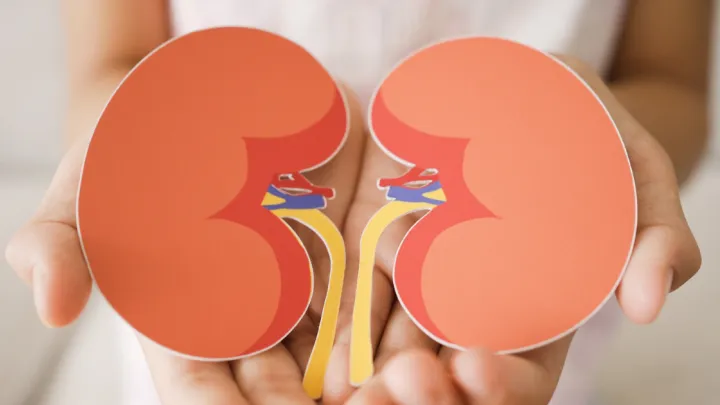
What is polycystic kidney disease, and can it cause kidney failure?
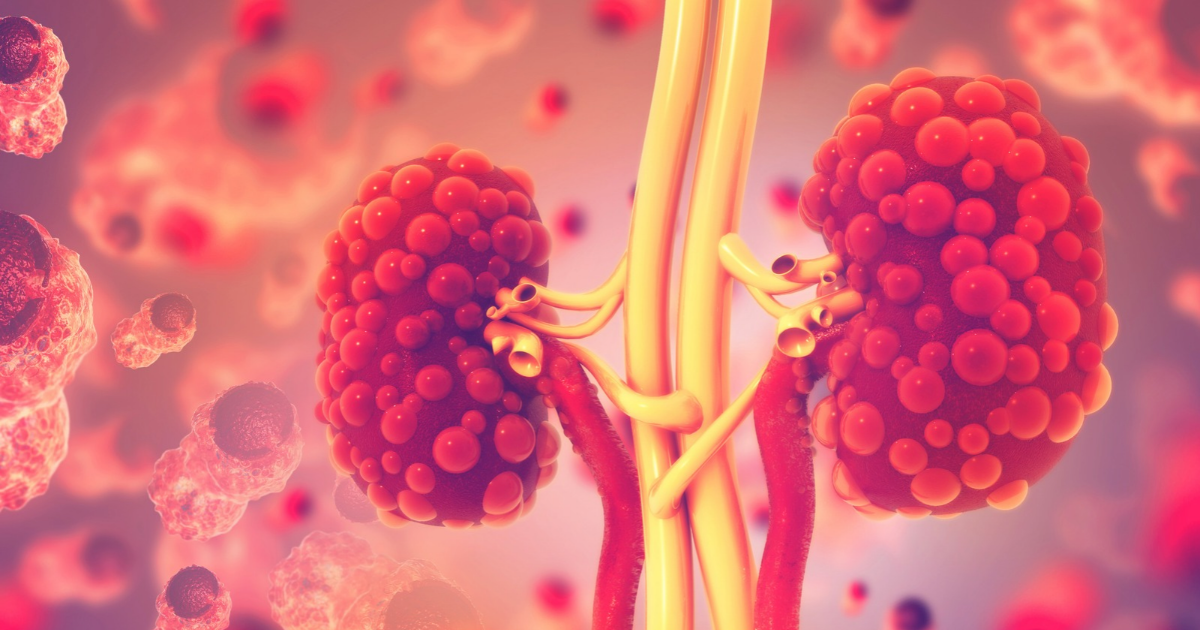
Polycystic kidney disease (PKD) can slowly damage the kidneys over many years, sometimes before a person realizes how sick they have become.
For the Franson family, kidney disease is part of their family history. At reunions, relatives often talked about who had needed a kidney transplant and at what age. Several family members eventually received transplants from Nebraska Medicine.
What is polycystic kidney disease?
PKD is a genetic condition that causes many cysts to grow in the kidneys. Over time, the cysts can change the kidneys’ shape and make them much larger. PKD can reduce kidney function, making it harder for the kidneys to filter the blood and remove waste and extra fluid.
“You just get weaker and weaker,” says Rowdy Miller, a kidney transplant recipient in the Franson family.
Because kidney function can decline slowly, people may not notice how sick they have become. Matt Franson says he did not realize how ill he had been until he received a transplant and began to feel better.
The most common inherited form is autosomal dominant PKD (ADPKD). “This means the condition tends to appear in each generation of an affected family,” explains Nebraska Medicine transplant surgeon Arika L. Hoffman, MD.
If PKD runs in your family, tell your health care provider. Monitoring may include blood and urine tests and regular blood pressure checks.
What are the symptoms of PKD?
Kidney disease often causes no symptoms until it reaches an advanced stage. When symptoms do occur, they can include pain in the back or side, blood in the urine, kidney stones, urinary tract infections, and high blood pressure. Symptoms vary, so testing is important for people with a family history.
High blood pressure is a common complication of PKD and can cause further kidney damage. Managing it is an important part of protecting kidney function.
Can polycystic kidney disease cause kidney failure?
Yes. PKD does not always lead to kidney failure, but it can. “About half of patients with PKD develop end-stage kidney disease and need a kidney transplant,” says Dr. Hoffman.
When the kidneys can no longer remove enough waste from the blood, dialysis or transplant may be needed to do the work the kidneys can no longer perform.
There is currently no cure for ADPKD, but treatment can help reduce complications and slow further kidney damage. Care may include controlling blood pressure, lowering sodium, not smoking, staying active, eating a healthy diet, and taking medicines as prescribed. A nephrologist, a doctor who specializes in kidney disease, can help create a plan based on your kidney function and overall health.
Planning ahead for a kidney transplant
If PKD is getting worse, early transplant planning matters.
“The goal is to center a patient’s care at the transplant program while the person is still in stage 2 or stage 3 kidney disease,” says Dr. Hoffman. Early referral gives the team time to follow kidney function, evaluate treatment choices and prepare for transplant before dialysis is needed, when possible.
A potential living donor does not have to be a relative or even be a direct match. Nebraska Medicine offers paired kidney exchange, sometimes called a kidney chain. In an exchange, one person donates a kidney on a patient’s behalf, while the patient receives a compatible kidney from another donor.
That’s how a transplant became possible for Matt. His wife, Lindsay, wanted to donate, but her kidney was not the right size for him. The couple entered a kidney chain. Lindsay donated to someone else, and Matt received a kidney from another donor.
Recovery is different for everyone, but Dr. Hoffman says kidney transplant surgery generally takes two to three hours, and most patients spend three to seven days in the hospital. The care team encourages patients to get out of bed, walk, eat, and drink soon after surgery.
Members of the Franson family say they noticed themselves growing stronger over time and only then realized how much PKD had affected their daily lives.
When to ask for help
Talk with your provider if PKD runs in your family, you have symptoms of kidney disease, or you’ve been told your kidney function is declining. You don’t need to wait until you’re on dialysis to ask about transplant evaluation.