How to treat diarrhea in children
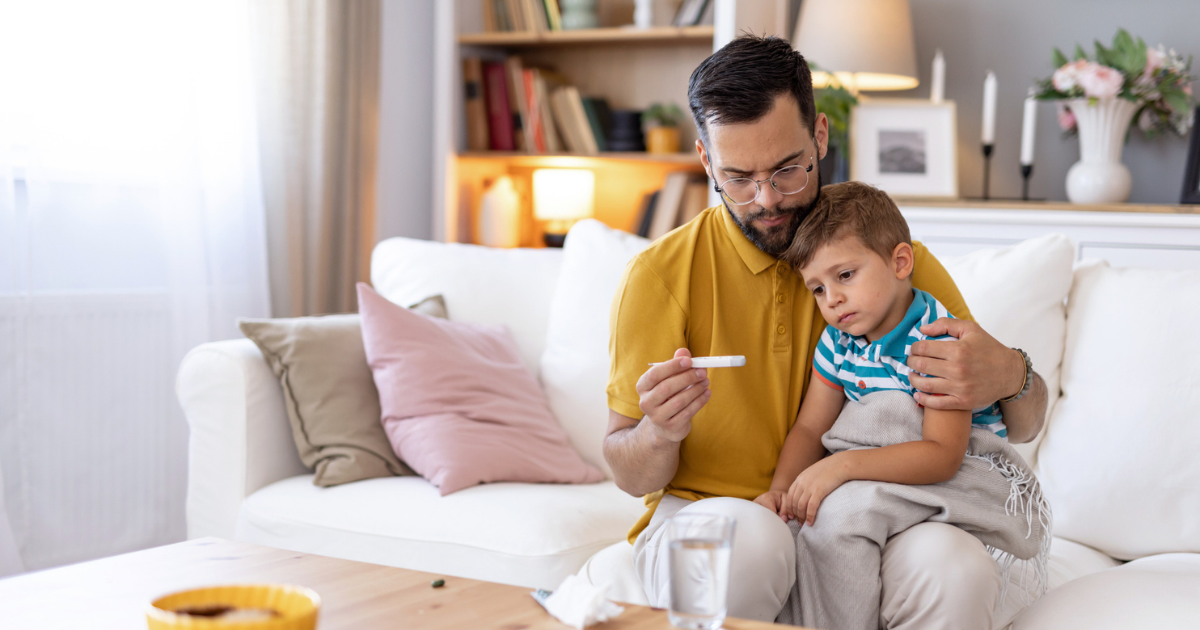
Diarrhea is very common in children, especially those under the age of five. Viruses, including rotavirus and norovirus, account for the majority of cases.
“The most worrisome effects of diarrhea are dehydration and electrolyte changes as diarrhea causes a lot of water loss, especially if it is combined with vomiting or fever due to sweating,” says Kirsten Rupp, MD, Nebraska Medicine internal medicine and pediatrics doctor. “Most diarrhea doesn’t last very long, but if a child is having chronic diarrhea that lasts for over a month, it can lead to problems with growth and weight loss due to the inability to absorb nutrients properly.”
Other common side effects of diarrhea include:
- Diaper rash.
- Abdominal cramping.
- Loss of appetite.
How to treat diarrhea
The most important step in treating diarrhea is replacing fluids, says Dr. Rupp. Offer small, frequent sips of water, broth or pediatric electrolyte solutions. If you are breastfeeding or giving formula to an infant, continue feeding in smaller, more frequent amounts.
Sugary foods and juices can make diarrhea worse and should be avoided. Instead, offer bland foods that are low in fiber and easy to digest like applesauce, bread and bananas, depending on your child's preferences.
After a bout of diarrhea, many children may develop a temporary lactose intolerance, which can cause diarrhea after consuming dairy products. Dr. Rupp recommends reducing dairy for one to two weeks following diarrhea.
In general, antidiarrheal medications are not recommended for young children due to safety concerns, says Dr. Rupp. However, antidiarrhea meds known generically as bismuth subsalicylate may be used for children over the age of 12. Medicines containing loperamide may help stop diarrhea rapidly, but they should only be used in people over the age of 18.
When is diarrhea a concern?
Watch for signs of severe dehydration, which can be a medical emergency. These include:
- Extreme lethargy.
- Fatigue.
- Difficulty waking up.
- Decreased urine output (no urine in eight hours).
- Dry mouth.
- Lack of tears.
- Cold extremities.
Other causes of diarrhea
In addition to the rotavirus and norovirus, diarrhea can be caused by other infectious and non-infectious factors. Be aware that while the rotavirus is the leading cause of diarrhea and severe dehydration in children worldwide, there is now a vaccination available that significantly reduces a child’s chance of getting this virus, says Dr. Rupp.
Other less common infectious causes include:
- Adenovirus.
- Astrovirus.
- Bacterial infection.
- Parasitic infection of the gastrointestinal tract.
Non-infectious causes include:
- Functional diarrhea caused by dietary habits, like excessive juice intake.
- Lactose intolerance, often occurring after a viral diarrheal illness.
- Inflammatory bowel disease.
“These alternative causes require different treatment methods, so it is important to be aware of the additional signs of these conditions,” says Dr. Rupp. These include:
- Severe abdominal pain.
- Mucus and blood in the diarrhea.
- Black stools, which can indicate there is blood coming from further up in the gastrointestinal tract.
- Diarrhea lasting more than a week or two.
Other medical issues may also occur if your child has a decreased immune system and should be addressed promptly.
Seek emergency medical care for the following symptoms:
- Signs of severe dehydration.
- Altered mental status that includes excessive sleepiness, limpness or unresponsiveness.
- Bloody diarrhea, especially in children under the age of five.
- Green vomiting, which may suggest bile and could be a surgical emergency.
- Diarrhea in infants younger than three months combined with a fever.
Visit your doctor’s office if your child has the following symptoms or conditions combined with diarrhea:
- High fever.
- Inability to keep fluids down due to persistent vomiting.
- A weakened immune system.
Is diarrhea contagious?
If diarrhea is caused by an infectious source such as a virus or bacteria, it can be contagious, notes Dr. Rupp. To reduce the spread:
- Isolate your child at home for 48 hours after the last episode of diarrhea or vomiting.
- Clean commonly touched surfaces like toilets, sinks, counters and light switches.
- If possible, use a different bathroom for your child.
- Wash hands frequently with soap and water.
“Most children recover from diarrhea fairly well within a couple days,” says Dr. Rupp. “Your primary goal is to offer them plenty of fluids to prevent dehydration. If your child’s diarrhea lasts more than two days, consider seeing your doctor.”
Schedule an appointment with one of our pediatricians. Call 800.922.0000 or schedule online.