What to know about hantavirus
A quick look at the most important information for patients, visitors and the community. Content in this section may change as new updates become available.
Current monitoring and updates
Nebraska Medicine and UNMC are monitoring U.S. citizens connected to recent hantavirus news as a public health precaution. There is no risk to patients, visitors or the community.
Frequently asked questions
Get clear answers about symptoms, exposure risk and more from Nebraska Medicine and UNMC infectious diseases experts.
What is hantavirus?
Hantavirus is a rare virus carried by rodents that can cause serious illness in some people. There are several variants but only the Andes virus is known to spread between people.
Hantavirus headlines explained
A recent cruise ship outbreak involving a rare strain of hantavirus (Andes virus) has made national news. While the illness can be serious, cases remain rare and the risk in Nebraska is very low.
Through contact with urine, droppings or saliva of rodents, such as rats or mice.
Hantavirus is a rare infection. Risk increases if you have close contact with rodents or rodent-infested areas in parts of the world where infections have occurred.
Early symptoms can be mild and seem like any other viral infection. Symptoms may include fatigue, fever, muscle aches, headaches, nausea, vomiting and diarrhea. Severe symptoms may affect the lungs and require urgent medical care.

Monitoring in the National Quarantine Unit
Nebraska Medicine and the University of Nebraska Medical Center have been asked by federal partners to receive and monitor U.S. citizens from the cruise ship associated with the hantavirus outbreak.
The National Quarantine Unit is the only federally funded quarantine unit in the United States, designed specifically to safely house and monitor people who may have been exposed to high-consequence infectious diseases. At this time, the people being monitored are not confirmed to be ill. The quarantine process allows for careful observation during the incubation period of the virus while eliminating any potential risk of spread.

Latest updates and expert insights
Get trusted updates and expert insights from Nebraska Medicine and UNMC infectious diseases experts on Andes virus (hantavirus).
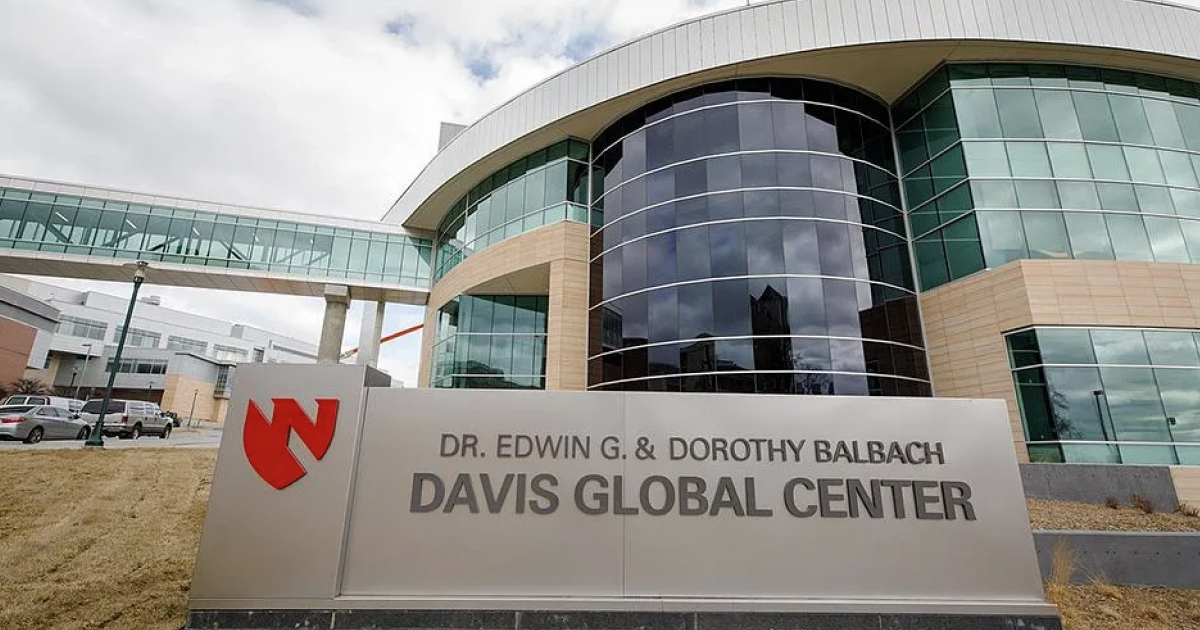
These individuals will be observed in the National Quarantine Unit, located on the campus of Nebraska Medical Center and UNMC.
Kelly Cawcutt, MD, MS, senior medical director of infection prevention and hospital epidemiology, answers common questions about hantavirus.
GCHS is currently monitoring the outbreak of Andes virus, a type of hantavirus. This page provides information, resources and updates.
Trusted expertise in infectious diseases preparedness
Nebraska Medicine and the UNMC have decades of experience caring for patients with rare and serious infectious diseases. Our experts support national preparedness and response efforts through specialized care and real‑world experience responding to global health events, including Ebola and COVID‑19.
This work is supported by the Global Center for Health Security, established in 2017 to advance public health preparedness.