What is the difference between folate and folic acid?
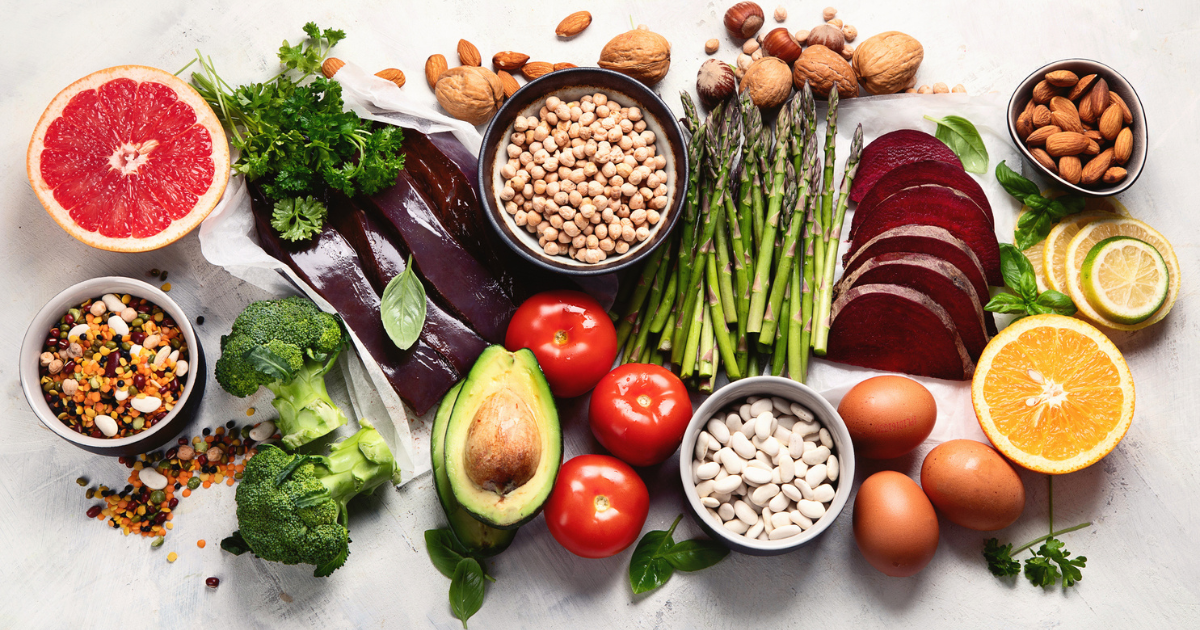
Folate and folic acid are both forms of vitamin B9, an important vitamin that helps your body stay healthy. It’s helpful to know how they’re different, why you need them and how make sure you’re getting enough.
What is vitamin B9?
“Vitamin B9 is an essential nutrient,” says registered dietician Kimmie Sharp, RDN. “Our bodies need it, whether we get it from food or supplements.”
Vitamin B9 helps your body grow healthy cells, make DNA and support your immune system. It also helps prevent anemia. For pregnant women, vitamin B9 is especially important.
“It’s a significant concern,” says Sharp. “We encourage pregnant people to take a prenatal vitamin because getting enough folate or folic acid is vital to help prevent birth defects, like spina bifida.”
How folate and folic acid are different
While folate and folic acid are both forms of vitamin B9, they are not the same:
- Folate naturally occurs in foods.
- Folic acid is man-made.
- Your body can use folate right away.
- Folic acid has to be changed into another form before your body can use it.
Foods with folate?
Foods that are high in folate include:
- Legumes (beans, peas and lentils).
- Leafy greens.
- Asparagus.
- Avocados.
- Brussels sprouts.
- Broccoli.
- Nuts and seeds.
Many packaged foods, like pasta, bread, rice and cereal, have folic acid added to them.
When should you take folic acid?
“I would start by asking your doctor or primary care provider,” says Sharp. Since folic acid is in many foods, folate deficiency is pretty uncommon. In fact, the percentage of women of childbearing age affected by folate deficiency has decreased from about 12% in 1998, when makers started adding folate to foods, to less than 1% today.
“Typically, if you have a folate deficiency, it’s going to happen alongside other nutrient deficiencies associated with a poor diet, alcoholism or malabsorptive disorders,” says Sharp. If you have any such disorder, you should have your labs checked regularly, so your provider can determine if you need more folic acid.
In addition to pregnant women, these groups may be at a higher risk of developing folate deficiency:
- Women of child-bearing age, particularly non-Hispanic Black and Hispanic women.
- Older adults in care facilities.
- Those with cognitive impairments.
- Individuals with limited food choices in their diet.
- Those with a lower socioeconomic status.
Finally, the National Institute of Health (NIH) recommends that women of childbearing age get 400 micrograms of folate or folic acid each day. “I usually recommend a folic acid supplement for anyone trying to get pregnant to make sure their bases are covered, nutrition-wise,” says Sharp.
Don’t be afraid of folic acid
“While the body processes folic acid differently, it does so more efficiently,” says Sharp. “It’s a good thing our foods are fortified with folic acid to ensure we’re meeting our daily requirements.”