Leading the region in life-saving hyperbaric medicine
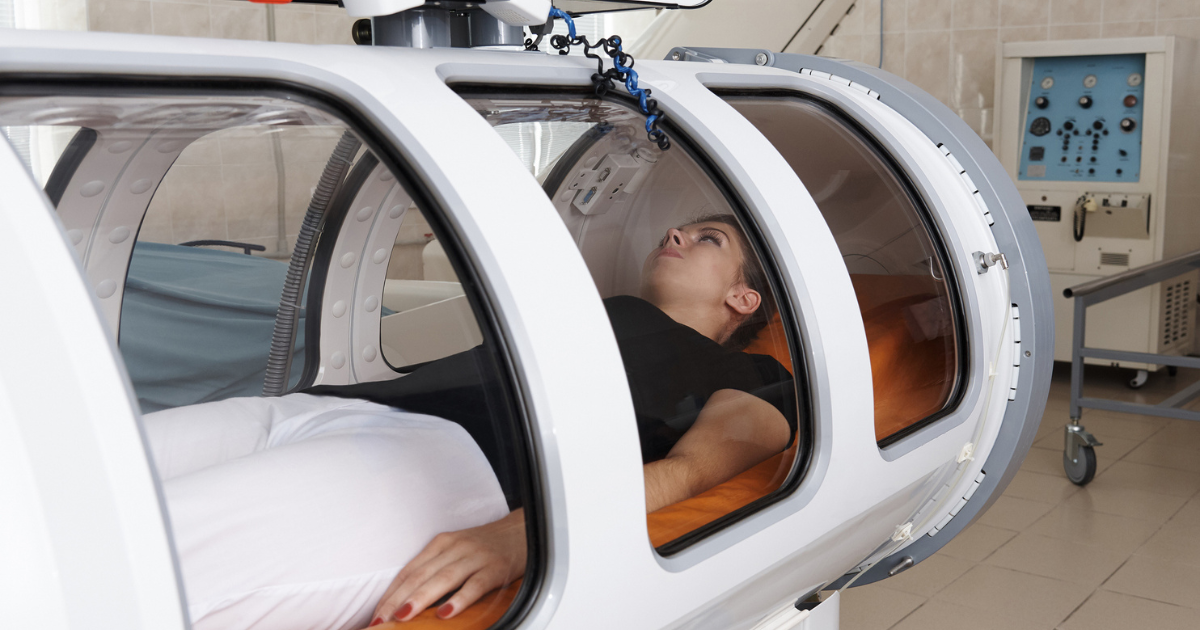
The Nebraska Medicine Hyperbaric Medicine Program stands apart in the Midwest, drawing patients from across the region for hyperbaric oxygen (HBO) therapy.
“We were the first hyperbaric medicine program in Nebraska, started in 1986,” says Jeffrey Cooper, MD, who co-directs the program with Jenny Thacker, MD. “We’re the only facility in the region that does critical care hyperbarics around the clock and the only 24/7 program between Kansas City, Denver and Minneapolis.”
The program is accredited by the Undersea and Hyperbaric Medical Society. This means it meets the highest standards of safety, training and oversight.
What is HBO therapy?
HBO therapy uses 100% oxygen at higher pressure than normal air. It helps healing and increases oxygen in the blood to treat various disorders.
The therapy involves placing patients in a clear chamber pressurized up to three times normal levels. The high pressure and pure oxygen increase the amount of oxygen available to the body and help wounds heal.
Who needs this treatment?
The Hyperbaric Medicine Program handles urgent cases and chronic conditions. About half of its patients need emergency care and the rest receive extended outpatient treatment.
Emergency cases include carbon monoxide poisoning, crush injuries and sudden vision loss. The program also helps save surgical flaps and grafts when blood flow is cut off. “We aim to salvage limbs and spare the patient from an amputation,” Dr. Cooper says.
For chronic issues, the program often treats side effects of radiation therapy. These can include bladder and bowel inflammation. HBO therapy also helps treat bone infections, diabetic foot ulcers and other wounds that won’t heal.
The program partners with Divers Alert Network to treat decompression sickness. It provides fitness-to-dive evaluations for divers. Physicians can also help analyze diving incidents that patients experienced while traveling.
Education and research
The program takes part in research studies on subjects like carbon monoxide poisoning and sickle cell disease. It also provides training opportunities for medical students and residents from various specialties. “We like to think of ourselves as the regional center of expertise that others can come to for information and guidance,” Dr. Cooper says.
Funding and support
The Hyperbaric Medicine Excellence Fund was recently set up by radiologist Edward Fogarty, MD. A UNMC alum practicing at Great Plains Hospital in North Platte, Dr. Fogarty is a strong advocate of HBO therapy.
“It’s a coming home of sorts, this project with the hyperbaric program,” Dr. Fogarty says. “I’m on a mission to spread the word about hyperbarics and help Dr. Cooper and Dr. Thacker – and all our great doctors in Nebraska.”
The fund has allowed the program’s safety director to present research at an international conference. The program is considering ways to apply funding to research that may help develop future applications of HBO therapy.