Weight loss is the most important treatment for NAFLD/NASH. We recommend patients try to lose 7% to 10% of their body weight through a healthy diet and exercise.
Maria Alvarran travels from Sioux City, Nebraska, every three months to visit the Fred & Pamela Buffett Cancer Center in Omaha, Nebraska. Alvarran is helping research be the best it can be. How? By bringing diversity to potential cancer therapies. Alvarran doesn’t speak English.
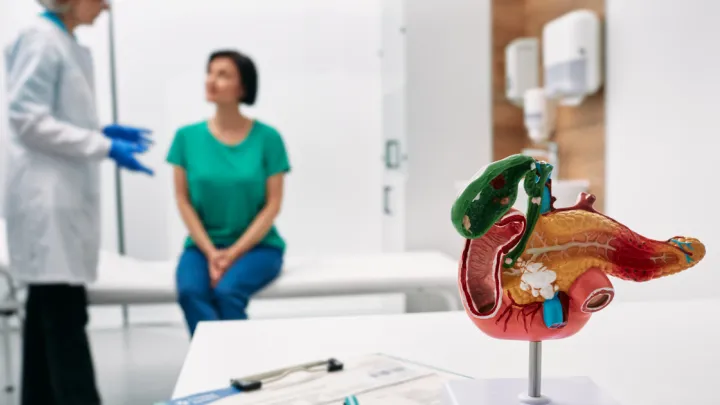
Through ongoing research, Nebraska Medicine is exploring innovative approaches to treating pancreatic cancer, including novel combinations of existing therapies and new strategies.
University of Nebraska Medical Center researchers are studying an experimental treatment for patients with specific subtypes of B-cell non-Hodgkin lymphomas. Potential candidates include patients who have undergone prior standard therapies that are no longer working or who have had cancer continue to return.
Lung cancer is by far the most common cause of cancer death. Because more than half of people with lung cancer die within a year of their diagnoses, Nebraska Medicine is committed to early detection and new therapies.
A large multi-center orthopaedic clinical trial that Nebraska Medicine researchers are a part of seeks to reduce the risk of blood clots and/or bleeding after hip or knee replacement surgery.
When most people think of research and clinical trials, they often think of highly advanced drugs and treatments for the treatment of complex cancers and other diseases. But research also provides valuable information and insight into everyday health needs, health prevention and how to improve lifestyle habits and quality of life. Learn more about lifestyle clinical trials.
You’re about to leave the Nebraska Medicine website. The other site may collect information about your visit, including your IP address. Do you want to continue?