Common soccer injuries and how to prevent them
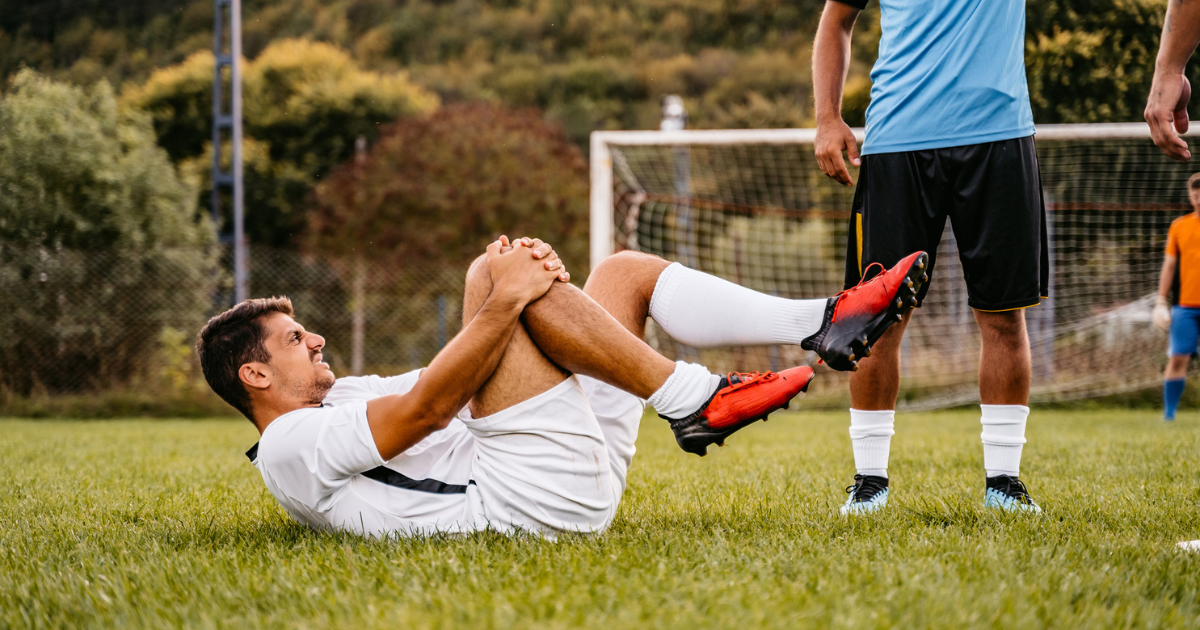
If your children play sports, you have probably seen your share of injuries. Different sports typically lend themselves to specific types of injuries.
Injuries to the lower extremities, such as meniscus and ACL tears in the knee and ankle sprains, are the most common types of injuries experienced by soccer players.
“Women are more likely to get ACL tears while men typically experience meniscus tears with the ACL intact,” says Brian O’Reilly, DPT, Nebraska Medicine physical therapist. “We see more knee injuries in women because they usually have more ligament laxity and their knees are often turned inward slightly. They are also less likely to participate in strength programs.”
Injuries can be greatly reduced with a training and strengthening program that includes proper warm-ups, body-weight exercises and mechanical movement patterns, notes O’Reilly.
Bob Hammons, LAT, ATC, head athletic trainer for Omaha’s professional soccer team Union Omaha, agrees. He starts his practices with 30 minutes of dynamic stretching and mobility exercises, an hour of scrimmage and ends with static stretching. He also works in 15 to 30 minutes of weight training several days a week on quads, hamstrings, abs, back, glutes and hips.
“Following this type of training program properly warms up and prepares the muscles for a more strenuous workout on the field,” Hammons says “Ending with static stretching helps reduce muscle stiffness and soreness, improves flexibility and aids recovery.”
Warm up
FIFA has developed a soccer warm-up routine called FIFA 11+, which has been shown to help reduce injury risk when performed regularly, says O’Reilly. The program combines running exercises, strength work and agility drills and can be done in about 20 minutes.
Key parts of the FIFA 11+ warm-up include:
- Light jogging forward and backward, and hip-in, hip-out movements.
- Active stretching.
- Plyometrics: Fast, explosive movements like jumping, hopping and skipping to build muscle power, speed and agility.
- Strength: Core and leg strength exercises like squats, planks and Nordic hamstring curls.
- Balance exercises.
- Moderate- to high-speed runs with changes in direction and tempo.
- Quick-change directional drills to improve reaction and control.
Strength Training
Strength training focuses on progressing full-body multi-joint movements that improve overall fitness and athletic performance. When combined with a proper warm-up and recovery, a progressive strength training routine can help reduce lower extremity injuries. Examples include:
- Squats.
- Deadlifts.
- Lunges.
- Romanian deadlifts
- Upper body push movements (overhead press, push-up).
- Upper body pull movements (row, pull-up).
- Core rotations or twists to improve overall stability and coordination.
- Walking, running or jumping.
Recovery
Hammons warns of overtraining. “Recovery time allows the body to rejuvenate and revive more quickly and promotes longer longevity in your sport and in life,” he says.
Hammons says his team usually takes two days off after a game, followed by a light practice before they resume regular practice days. “We’ve found that giving our players adequate recovery improves performance and greatly reduces injury,” he says. “Young players need to listen to their bodies and avoid pushing through an injury. If you don’t take time off to recover and heal, your sports career could end very early.”
Hammons recommends the following recovery practices:
- Adequate rest and sleep.
- Stretching and mobility exercises.
- Massage.
- Cold therapy.
- Hydration.
- Healthy diet.
- Light, low-intensity exercise to keep blood flowing.
Exercises to prevent knee injuries
To reduce the prevalence of ankle sprains and knee injuries, O’Reilly also recommends performing specific exercises that focus on lower-body strength. “The goal is to create stability and strength at multiple joint levels by performing dynamic movements,” he says.
Exercises to prevent knee injuries:
- Single-leg squats.
- Split-leg squats.
- Bulgarian squats.
- Single-leg deadlifts.
- Side plank with hip abductions.
- Front planks with hip extension (raising and lowering leg).
- Nordic hamstring curls.
Exercises to prevent ankle sprains:
- Toe raises.
- Resistance band inversions (pull foot inward) and eversions (pull foot outward).
- Dorsiflexions (pull toes towards shin) and plantarflexions (push your toes down towards the ground).
- Heel raises on a step.
- Single-leg balance.
- Hopping on one or both legs.
- Standing on a balance board to improve ankle stability.
Even with the best strength and agility program, injuries can still happen. If your child develops an injury, you can start with a newer recovery approach, PEACE and LOVE.
PEACE protocol includes:
- Protect: Rest and avoid activities that worsen the pain.
- Elevate: Keep the injured area above the heart to reduce swelling.
- Avoid anti-inflammatories: They may slow the healing process.
- Compress: Use an ice pack to reduce swelling.
- Educate: Learn about the injury and follow the recommended treatment plan.
LOVE protocol includes:
- Load: Gradually return to activity as tolerated.
- Optimism: Maintain a positive attitude to support recovery.
- Vascularization: Perform light cardio to improve blood flow to the injured area.
- Exercise: Strengthen and regain mobility with targeted exercises.
When to seek medical advice
If your injury remains swollen for more than 48 hours or pain persists, see your doctor, says O’Reilly. “The sooner you come to seek help, the better your outcome will likely be. We can diagnose your injury and get you on the proper treatment and physical therapy program to get you back in the game as quickly as possible.”
Need injury advice? Call 800.922.0000 or schedule online for an appointment with one of our sports medicine specialists.