Vaginal tears: Why they happen and how to prevent them
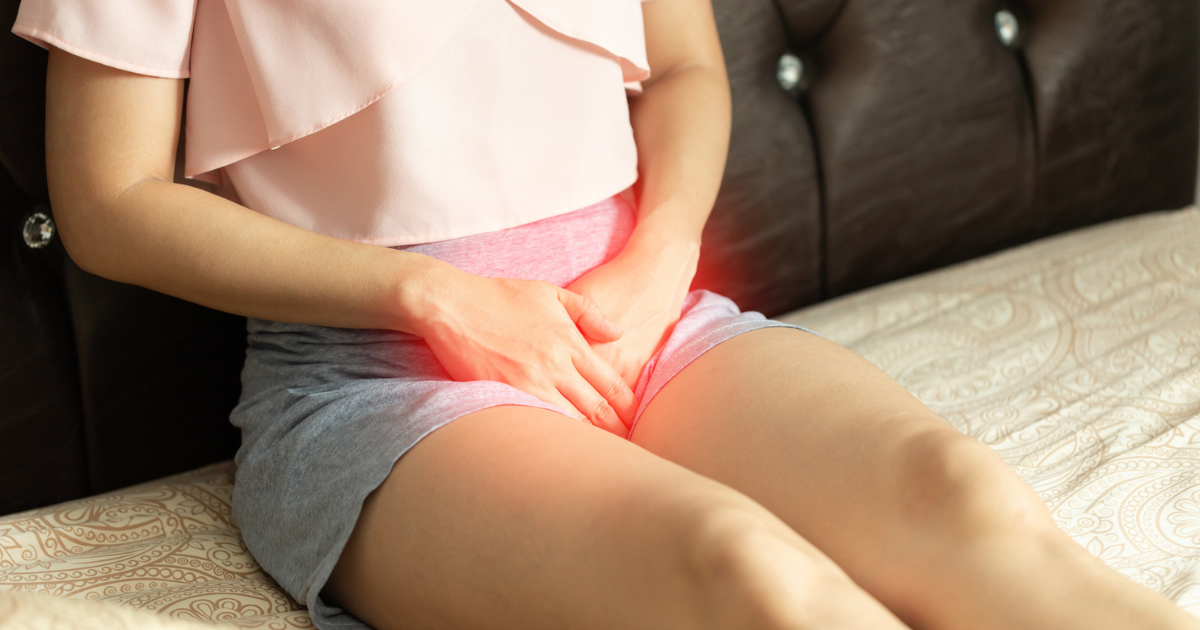
Generally, vaginal skin is elastic and resistant to tearing. However, during childbirth or sexual activity, there is a chance your vagina can tear. While this is common for many women, it isn’t something you need to live with. There are many ways you can repair or help prevent vaginal tears.
How do vaginal tears occur?
Tears happen for two primary reasons: childbirth or sexual activity.
Vaginal tears during childbirth
These are categorized into four degrees based on severity:
First-degree – Tearing of the skin around the vagina.
Second-degree – Tearing through the skin and some of the pelvic floor musculature.
Third-degree – Tearing that reaches the anal sphincter, slightly damaging it.
Fourth-degree – Tearing that connects the vagina to the anal sphincter.
"Second-degree vaginal tears are the most common," says physical therapist and pelvic health specialist Sam Weber, DPT, PT. "Additionally, fourth-degree tears will require emergent care, but first, second and third-degree tears will need medical attention but aren’t as critical.”
Vaginal tears during sexual activity
These may be internal or external and can occur due to:
Vaginal dryness (from menopause or cancer treatment).
Engaging in sex acts for the first time.
Physically rigorous sex.
Returning to sex after giving birth.
How to prevent vaginal tears
While vaginal tears aren't uncommon, there are ways to prevent them or limit their damage. "In pelvic floor therapy, we'll teach pregnant patients how to do a perineal massage," says Weber. "This massage helps increase the amount of tissue mobility at the vaginal opening."
If done correctly and regularly, perineal massages ensure these tissues are stretched out before birth and help prevent tearing. Likewise, many patients believe they must give birth on their back in stirrups, but there are many different birthing positions. Changing your position when one isn't successful can reduce or avoid tearing.
"Avoiding long-duration stress to the pelvic floor tissues is vital," says Weber. "Sometimes the baby is sitting in utero and not in the optimal place to come out, so changing positions can help avoid a tear.”
Lubrication is the most critical factor for preventing vaginal tears from sexual activity. "If you're dry in that area, it's more likely your skin will tear," says Weber. "Especially as we age, our skin gets more brittle, and lubricant becomes important."
If you're post-menopausal, your provider can also prescribe you an estrogen cream. This topical treatment can help reestablish vaginal health and restore it to its normal function.
Another way to prevent vaginal tearing from sex for those with a smaller orifice or vaginal opening is vaginal dilator training. This therapy stretches the tissues so they can accept whatever is penetrative. However, a pelvic health specialist should supervise the use of vaginal dilators to ensure patient safety.
How are vaginal tears treated?
Providers will usually treat second and third-degree vaginal tears with stitches. However, a fourth-degree tear will require immediate surgical repair. More generalized treatments for tears from both birthing and sexual intercourse include:
- Avoiding rough wiping after using the bathroom.
- Wearing clean, dry and loose-fitting clothing to avoid pressure on the area and allow airflow.
- Using padsicles (frozen sanitary pads).
- Sitting on a donut pillow.
- Avoiding sexual intercourse until fully healed.
- Using a warm sitz bath to relieve pain.
What you need to know about vaginal tears
Monitor your recovery and call your provider if you notice:
- Stitches that aren’t healing well.
- Foul-smelling discharge (a possible sign of infection).
- Pain that worsens over time.
- Changes in bowel or sexual function.
- Leaking urine or stool.
While there's a lot of fear surrounding the word 'tear,' it's very well-researched. "Tearing is very common for people in pregnancy," says Weber. "Likewise, natural tearing gives you a better chance at recovery than an episiotomy – or a preemptive cut in anticipation of tearing."
Natural tearing is the tissues giving way in their innate alignment, which usually helps them heal more effectively. "With proper care, I've seen a lot of women who have a vaginal tear with their first baby not tear at all or only have a first-degree tear with another vaginal delivery," says Weber.
Vaginal tears from sex are not normal
Vaginal tearing from intercourse isn't normal. There are people with smaller openings or tighter pelvic floors, but tearing isn't something you should live with and endure.
"Pelvic floor therapy can help with both forms of tearing," says Weber. "Whether you're pregnant, postpartum, having vaginal tearing from sexual activity or experiencing any kind of bladder, bowel or sexual dysfunction, it's within our wheelhouse."