How is obesity measured, and how does it affect the body?
When most people think about obesity, they think about body weight or body mass index (BMI). But according to Nebraska Medicine bariatric specialist Ciara McCarty, MPAS, PA-C, those numbers only tell part of the story.
“Weight and BMI are essentially just numbers,” says McCarty. “They don’t really dive into what the body is truly made of and what else is going on.”
That’s where body composition testing, including the InBody machine, can help patients better understand their health.
Why BMI doesn’t always show the full picture
BMI is a calculation based on height and weight. While it can be useful, it does not measure body fat, muscle mass or overall health.
For example, two people can have the same BMI but very different health risks.
“One person may have a higher body fat percentage, while another person has more muscle mass and is very active,” says McCarty.
BMI also does not account for:
Genetics.
Hormones.
Diet and exercise habits.
Medical conditions.
Age and environment.
“Just because someone has extra weight doesn’t necessarily mean they’re unhealthy,” McCarty says.
What is the InBody machine?
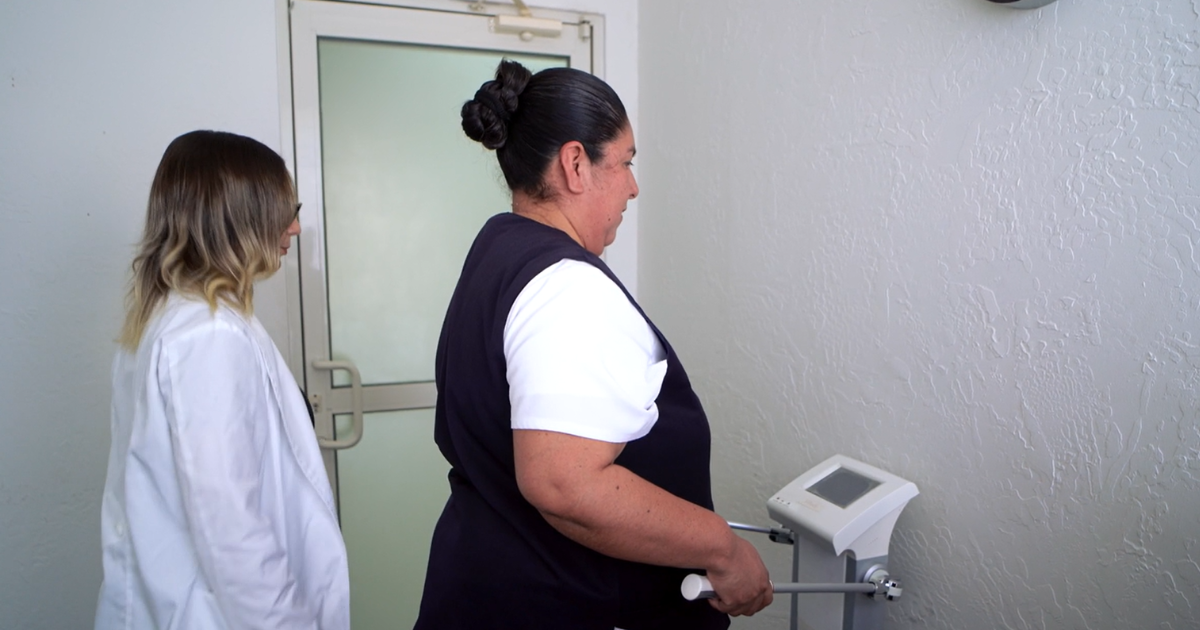
The InBody machine is a type of body composition scanner that gives patients more information than a traditional scale.
McCarty describes it as “a fancy scale” that uses sensors on the feet and hands to send a small electrical current through the body.
The machine measures:
Body fat percentage.
Muscle mass.
Lean body mass.
Hydration levels.
Visceral fat (fat around internal organs).
This helps providers better understand what is happening inside the body.
Why body composition matters during weight loss
Sometimes patients feel frustrated because the number on the scale is not changing, even when they are exercising regularly and eating healthier foods.
The InBody scan can help explain why.
“If someone is strength training, they may be gaining muscle while losing fat,” says McCarty. “The scale may stay the same, but their body composition is improving.”
The scan can also help providers estimate a patient’s metabolism and calorie needs.
“It gives them a physical reminder and numbers they can look at to help guide their goals,” McCarty says.
How obesity affects the body over time
Obesity is linked to several serious health conditions, including:
Type 2 diabetes.
High blood pressure.
High cholesterol.
Sleep apnea.
Joint pain and arthritis.
Insulin resistance.
Extra body fat can place added stress on the body over time.
“It makes everything just a little bit harder,” McCarty says. “It’s harder for the heart to pump blood to the whole body if there’s extra weight.”
Excess body fat can also affect hormones like insulin and estrogen, which may change how the body functions.
One concern is that many obesity-related conditions can develop silently.
“High blood pressure and diabetes can go undetected until they become severe,” says McCarty.
That’s why regular checkups with a primary care provider are important.
Why obesity is complicated
McCarty says many patients feel shame around weight gain, especially after trying multiple diets or exercise programs without long-term success.
“We really try to educate patients about why it’s so difficult to lose weight,” she says.
She explains that the body is designed to store energy and resist weight loss.
“Our bodies aren’t meant to lose weight,” McCarty says. “Your body does everything it can to prevent weight loss.”
That’s why Nebraska Medicine treats obesity as a medical condition, not a personal failure.
“Obesity is a disease and we need to treat it like any other disease,” she says. “There are medications, surgery and other tools that can help.”
Small steps can make a big difference
For patients who want to improve their health or lose weight, McCarty recommends starting small.
“If we try to make five or 10 changes all at one time, it gets overwhelming,” she says.
Instead, focus on one realistic habit at a time, such as:
Drinking more water.
Tracking food intake.
Increasing protein.
Adding more fruits and vegetables.
Taking daily walks.
Once that habit becomes routine, add another.
“It’s easier to stick with healthy habits when they become subconscious,” McCarty says.
Learn more about weight loss options
Nebraska Medicine offers medical and surgical weight loss options, nutrition counseling and body composition testing with the InBody machine.