"You're not alone": How intensive outpatient treatment helped a patient stay sober
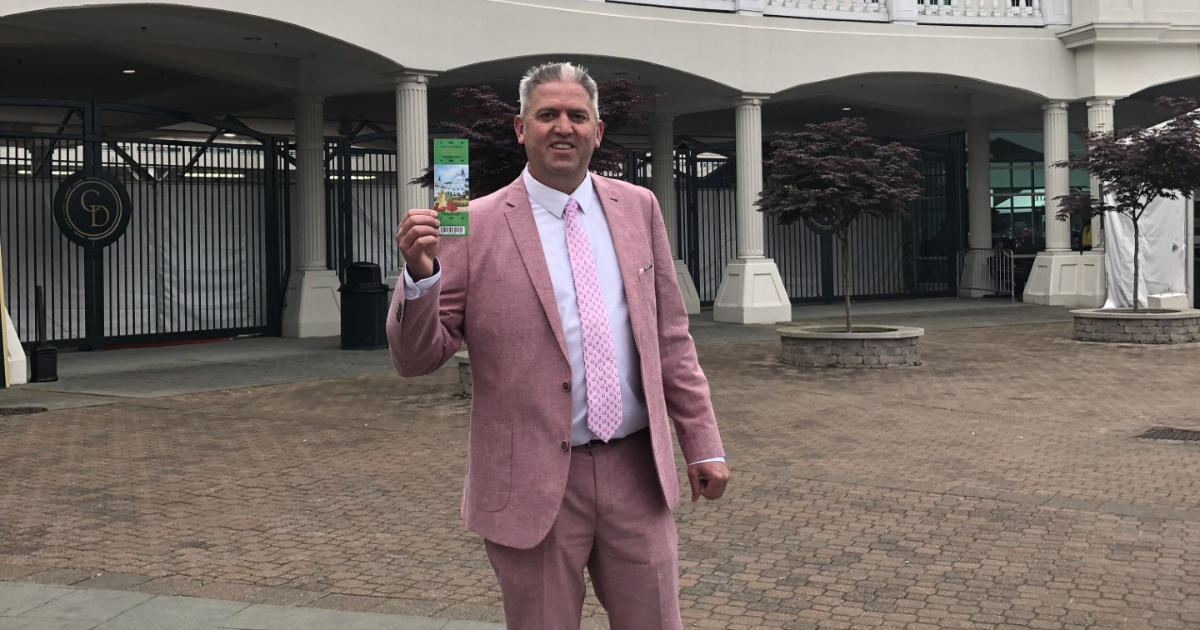
For years, Sean Bussey thought he had his drinking under control. He never missed work. He did well in sales. And he didn't drink alone at home. But by 2023, his drinking was getting worse. After a DUI that November, he knew something had to change.
Today, Bussey is nearly three years sober. Along with Alcoholics Anonymous (AA), the Nebraska Medicine Intensive Outpatient Program (IOP) helped give him the skills and support to stay that way.
Drinking was part of the job
Bussey spent years in sales. He sold tile and flooring, then copiers and telecommunications products. Drinking was part of the work culture.
"Back then, it was normal for me to go out with clients or coworkers and have drinks after work," he says.
Bussey calls himself a social drinker. "I'm not someone who sits at home and drinks," he says. But over time, going out on weekends turned into going out three or four nights a week.
He had quit once before, after an earlier DUI, and stayed sober for about 18 months. But he never got a sponsor, and he believed he could handle drinking on his own.
"I thought I could control it – everybody thinks that they can control it," he says. "It progressively got worse."
A turning point
On Nov. 4, 2023, Bussey was arrested for another DUI. It happened on a Saturday, and he spent the next few days in jail. That's when he decided he was done.
"I just made that commitment, even in jail," he says. "I was like, 'This is it.'"
That same week, he started going to AA meetings. A couple of months later, after a court hearing and an evaluation, he enrolled in the IOP.
What is the intensive outpatient program like?
The IOP is an addiction treatment program for adults who need more help than weekly or monthly counseling but don't need a hospital stay. Patients live at home and can keep up with work and family while they get treatment.
The six-week program meets four days a week for three hours each day. It includes therapist-led group therapy, weekly one-on-one therapy, and medication management when needed. Patients can attend in person or by video visit.
Bussey attended the afternoon group, often heading there right after a noon AA meeting. His group had about eight people. Being around others facing the same struggle made a big difference.
"A lot of people feel alone in it, but it shows you that you're not alone, " he says.
Learning new ways to handle life's curveballs
What stood out most to Bussey was the program's focus on cognitive behavioral therapy (CBT). CBT helps people notice unhelpful thoughts and change how they respond to them.
"Life's going to throw curveballs at you every day," Bussey says. "You have to be able to change your outlook about what's going on."
In the program, he learned how to:
- Spot and manage triggers
- Put his sobriety first
- Step away from old routines
- Use coping tools on good days and bad days
Changing who he spent time with helped, too. He realized some of his old "buddies" weren't really friends. "They were just drinking friends," he says.
Life in recovery today
Today, Bussey manages laundromats. He still goes to AA meetings three times a week and checks in with his sponsor regularly. Like anyone, he faces daily challenges, but recovery has changed how he handles them.
"Sometimes you just have to let go of things that you can't control," he says. "That's probably the biggest thing for me."
He's most proud of repairing relationships with family and friends. He's also showing up for family events he used to miss.
"I'm not waking up in the mornings with a haze," he says. "I’m able to work and be satisfied with life as it is – and be happy."
If you or a loved one is struggling with addiction, help is available. To schedule an evaluation for the Nebraska Medicine Intensive Outpatient Program, call 800.922.0000 or learn more about the IOP.
Frequently asked questions
What is an intensive outpatient program (IOP)?
An intensive outpatient program, or IOP, is a structured treatment program for substance use and mental health concerns. You live at home and attend therapy several days a week. It offers more support than weekly counseling but does not require a hospital stay.
How long does an intensive outpatient program last?
Program length varies. With Nebraska Medicine, the IOP lasts six weeks. Patients meet four days a week for three hours of group therapy each day. They also have weekly one-on-one therapy and medication visits as needed. Afterward, the team helps plan next steps.
Can I keep working during an IOP?
Yes. Many people keep working or going to school during an IOP. Because you go home each day, you can keep up with family and daily routines. Nebraska Medicine offers in-person and telehealth (video) options, which can make it easier to fit treatment into a busy schedule.
What happens in IOP group therapy?
In group therapy, a therapist leads a small group of people working on recovery. Members share experiences and learn skills like managing triggers, handling stress, mindfulness, and preventing relapse. Many people find support and hope by hearing from others who understand what they're going through.