How much caffeine can you have during pregnancy?
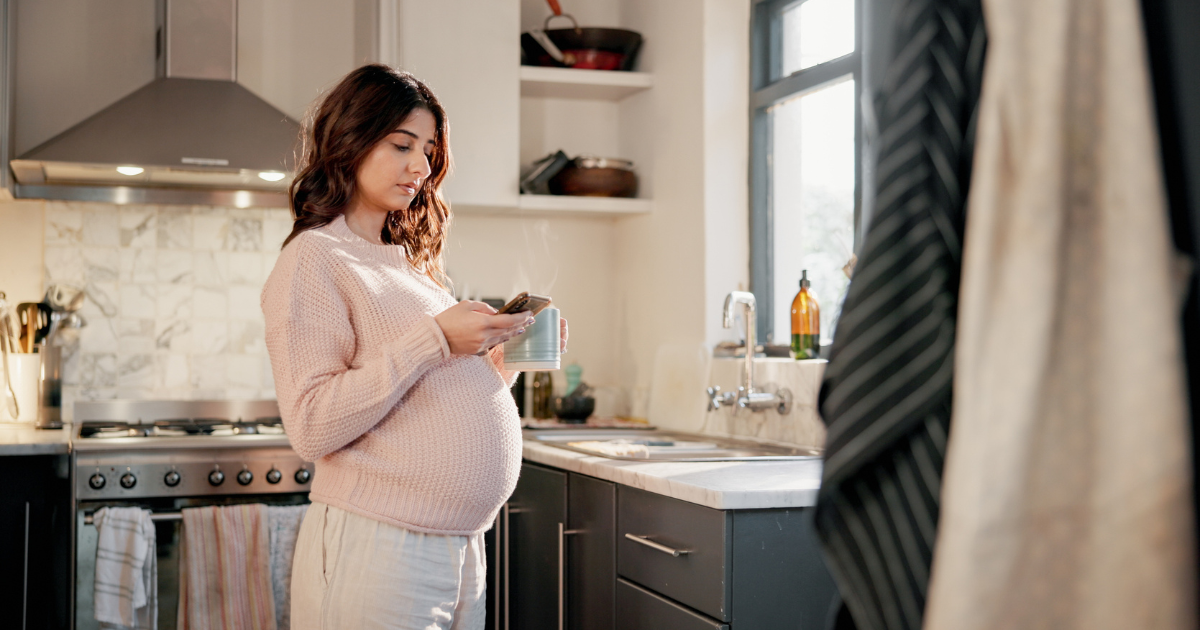
If you're pregnant and can't imagine starting your morning without a cup of coffee, here's some good news: You probably don't have to give it up.
While caffeine intake should be limited during pregnancy, you don't need to avoid it completely.
"That's a misconception I get from a lot of patients," says Nebraska Medicine Certified Nurse-Midwife Alyssa Fischer, APRN-CNM. "They think there's zero tolerance for caffeine in pregnancy."
So, how much caffeine is safe, and what happens if you drink too much?
How much caffeine is safe during pregnancy?
The American College of Obstetricians and Gynecologists (ACOG) recommends limiting caffeine to 200 milligrams per day during pregnancy. This recommendation applies throughout pregnancy, including the first trimester.
Research suggests that consuming 200 milligrams or less per day is not linked to significant increases in pregnancy complications.
However, it's important to remember that caffeine isn't just found in coffee. Tea, soda, chocolate, energy drinks, and even some medications contain caffeine.
Here are some examples of how quickly caffeine can add up:
| Food or beverage | Approximate caffeine |
| 8-ounce cup of coffee | 95-135 mg (varies by bean/brewing method) |
| 12-ounce Starbucks brewed coffee | 235 mg |
| 12-ounce Coca-Cola | 34 mg (Diet Coke is 46 mg) |
| Milk chocolate bar | 10 mg |
Amounts can vary by brand, serving size, and preparation.
That means even one cup of coffee from Starbucks could put you over the recommended daily limit. Check labels and serving sizes, and remember to count caffeine from all sources throughout the day.
How does caffeine affect pregnancy and your baby?
Caffeine is a stimulant that temporarily increases alertness. During pregnancy, your body processes caffeine more slowly, meaning it stays in your system longer.
“Caffeine also crosses the placenta, exposing your developing baby to its effects,” says Fischer.
While moderate caffeine intake is generally considered safe, some studies suggest that higher amounts may increase the risk of:
- Miscarriage: Higher caffeine intake has been linked to an increased risk of early pregnancy loss
- Low birth weight: Studies suggest that the more caffeine consumed, the greater the risk of having a smaller baby
- Stillbirth: Some research suggests a possible increased risk with higher caffeine intake
These risks appear to be more concerning when caffeine intake exceeds 200 to 300 milligrams per day.
However, Fischer emphasizes that research hasn't established a clear link between caffeine intake and preterm birth.
The 200-milligram recommendation provides a practical limit based on the best available research.
Can you drink tea or energy drinks during pregnancy?
Tea, including green tea, black tea, and yerba mate, can contain caffeine. The amount varies depending on the product and how it's prepared, so check labels when possible.
“Energy drinks, however, are best avoided during pregnancy,” Fischer says.
That's because many contain high amounts of caffeine along with other ingredients, such as guarana, taurine, and L-carnitine. Some also contain large amounts of sugar.
Fischer notes that energy drink consumption has been linked to high blood pressure, including during pregnancy.
Caffeine pills and supplements also deserve caution. Talk with your pregnancy care provider before using them or taking medications that contain caffeine.
Should you stop drinking caffeine when you find out you're pregnant?
If you regularly drink several cups of coffee a day, you might be tempted to quit immediately. But suddenly stopping caffeine can cause unpleasant withdrawal symptoms, including:
- Headaches
- Extreme fatigue
- Nausea
- Difficulty concentrating
Instead, Fischer generally recommends gradually reducing caffeine intake until you're within the 200-milligram daily limit.
Your provider can help you create a plan that reduces withdrawal symptoms while keeping your caffeine intake within recommended limits.
How to boost your energy without caffeine
Fatigue is common during pregnancy, especially during the first trimester. If you're cutting back on caffeine, a few healthy habits may help you feel more energized.
- Stay hydrated. Drink water regularly throughout the day.
- Eat balanced meals. Include protein, fiber, fruits, and vegetables to help maintain energy.
- Prioritize sleep. Establish healthy sleep habits and get adequate rest.
- Talk with your provider. Extreme fatigue may be related to low iron, vitamin D deficiency, thyroid problems, or other conditions that need treatment.
For more ideas, read 3 ways to boost energy without caffeine.
When should you talk to your doctor?
If you're having trouble cutting back on caffeine or experiencing significant withdrawal symptoms, your pregnancy care provider can help.
You should also contact your provider if you experience heart palpitations, a racing heart, high blood pressure, or severe headaches. These symptoms may have causes unrelated to caffeine that need medical attention.
The bottom line: You don't have to give up your morning coffee just because you're pregnant. By keeping your total caffeine intake at or below 200 milligrams a day, you can continue enjoying caffeine in moderation while following current pregnancy recommendations.