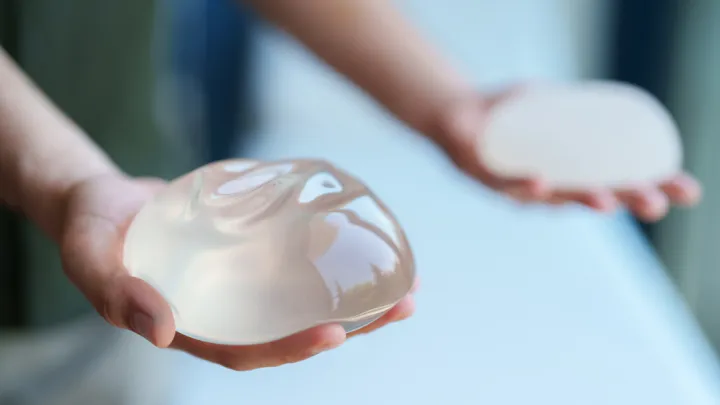
Saline vs. silicone breast implants: How to choose
Saline and silicone breast implants have the same basic purpose, but they differ in what fills them, how they feel, and how doctors check them over time. Learning the pros and cons of each can help you choose the option that best fits your body, goals, and comfort level.
What are saline and silicone implants made of?
Both types have a silicone outer shell. The key difference is the material inside. Saline implants contain sterile salt water, while silicone implants contain silicone gel.
“The biggest difference between the implants is what they are filled with,” says plastic and reconstructive surgeon Shannon Wong, MD.
Which type feels more natural?
Silicone implants are usually softer and may feel more like natural breast tissue. Saline implants must be filled firmly, so they can feel harder. Their edges may also cause visible rippling under the skin.
Rippling does not happen to everyone. It may be easier to see in people who have less breast tissue covering the implant. For that reason, Dr. Wong may suggest silicone for some patients with little natural breast tissue.
What happens if an implant ruptures?
A saline rupture is usually easy to notice. The body absorbs the salt water, and the breast loses volume. A silicone rupture may not cause an obvious change.
“The nice thing about saline implants is that if they ever rupture, you know they’re ruptured because the breast will become smaller,” Dr. Wong says. “With a silicone implant, most ruptures are silent.”
The chance of rupture and other problems increases the longer an implant remains in place. A ruptured implant may need to be removed or replaced.
How are silicone implants checked for silent rupture?
Because you may not feel or see a silicone rupture, regular follow-up matters. The Food and Drug Administration recommends the first ultrasound or MRI five to six years after silicone implant surgery, then every two to three years. Your surgeon can tell you which test is right for you.
“It’s important to look to make sure that the implant is intact,” Dr. Wong says. “The earlier we detect a rupture, the better.”
What are ‘gummy bear’ implants?
Gummy bear implants are silicone implants filled with a firmer, thicker gel. The gel sticks together and holds its shape better than softer silicone gel. Some patients choose this type for a rounder look in the upper breast.
“The more cohesive the gel, the more it sticks to itself,” Dr. Wong says. “It maintains its form better.”
If the implant ruptures, the thicker gel may also stay together better than a softer gel.
Does age affect which implant you can choose?
For cosmetic breast augmentation, saline implants are approved for adults 18 and older, while silicone gel implants are approved for adults 22 and older. Different rules may apply when implants are used for breast reconstruction.
How do you choose between saline and silicone?
The best choice depends on your age, body type, desired size, preferred feel, and comfort with future screening. Implant size may matter, too. Saline implants can sometimes be filled beyond their basic volume, while silicone implants come in set sizes.
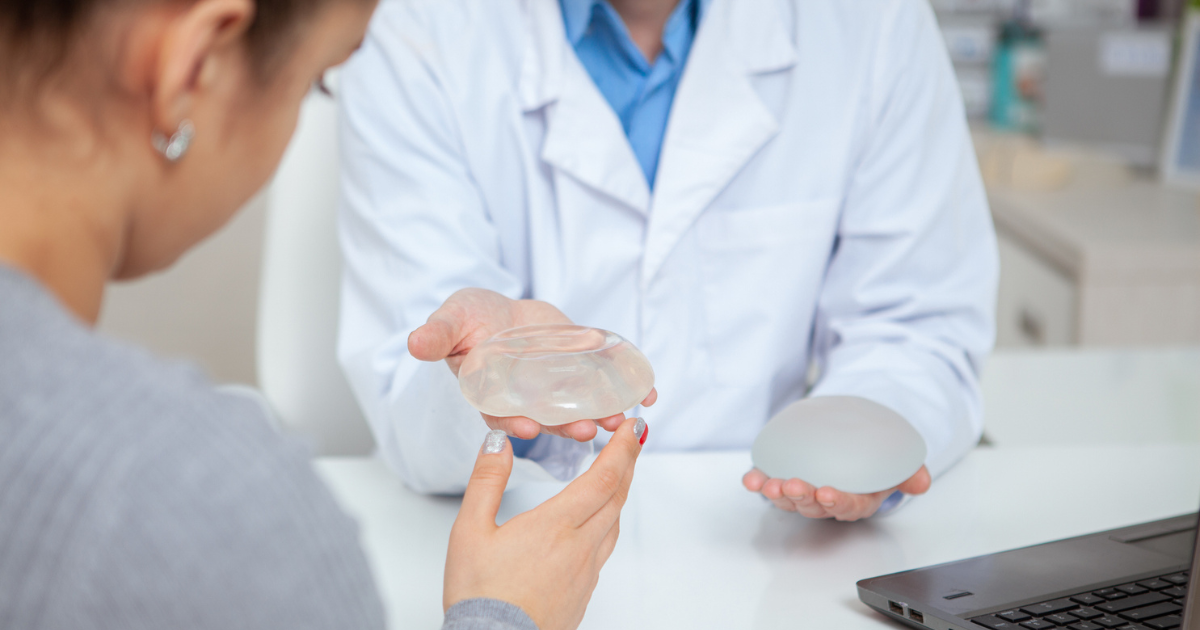
During a consultation, patients can handle and try on implant samples, discuss the look they want, and learn how each option may work with their amount of natural breast tissue.
“Patients need to choose whatever kind of implant they feel comfortable with,” Dr. Wong says. “Surgeons can help guide you, but ultimately, the decision is up to the patient.”
Frequently asked questions
How long do breast implants last?
Breast implants don’t last a lifetime. Some last many years, but no one can predict exactly when an implant will need to be removed or replaced. The chance of complications increases over time.
Do breast implants need to be replaced every 10 years?
No. There is no automatic 10-year replacement rule. Your surgeon may recommend removal or replacement if an implant ruptures, causes a problem, or no longer gives you the result you want.
What signs of a problem should I watch for?
Contact your health care provider if you notice a change in breast size or shape, new pain, swelling, firmness, a lump, or changes in how the implant feels. A silicone rupture may not cause symptoms, which is why recommended follow-up is important.
Do I still need follow-up visits if I feel fine?
Yes. Keep routine visits with your health care provider and follow your surgeon’s screening plan. People with silicone implants may need ultrasound or MRI checks even when they have no symptoms.
To schedule a consultation with a board-certified plastic surgeon, call 402.596.4000.