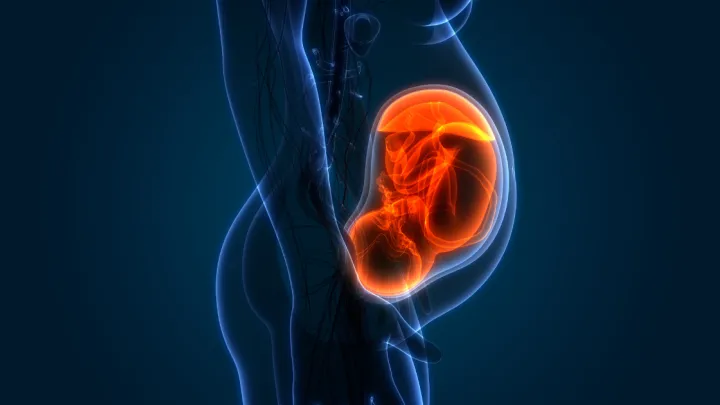
What is the placenta, and what happens to it after delivery?
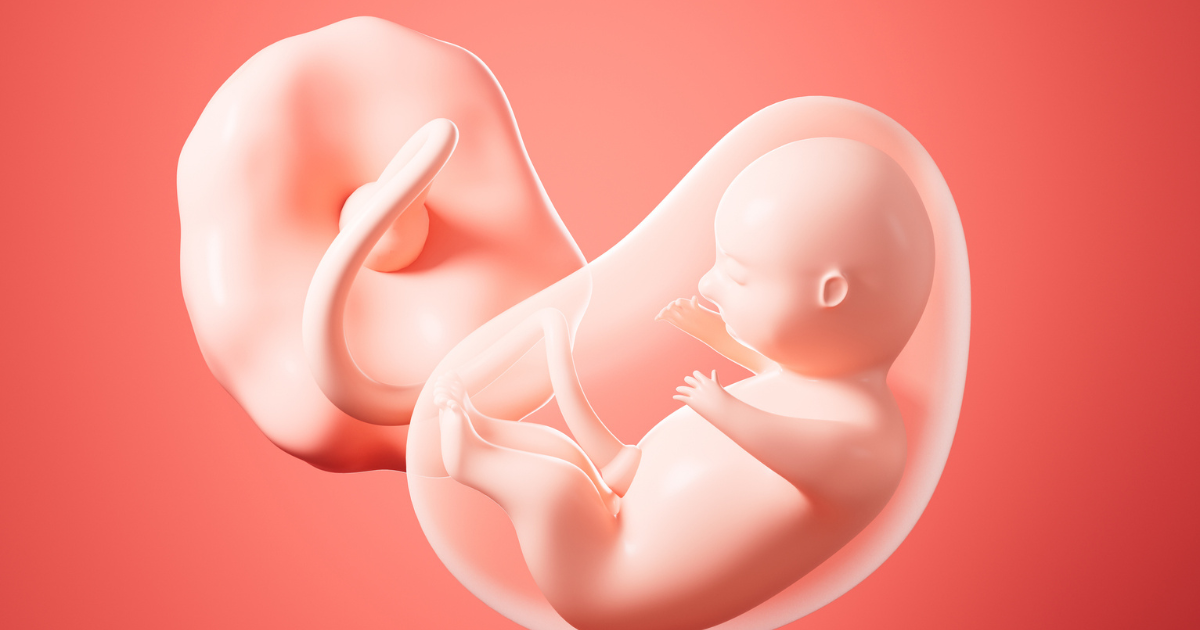
The placenta helps your baby grow, produces hormones, filters out harmful substances and delivers oxygen and nutrients. It’s one of the most remarkable organs in the human body, and yet most people know very little about it until they’re pregnant.
Here’s what certified nurse midwife Diane Johnson, APRN-CNM, wants you to know.
What the placenta actually does
“The placenta is essentially the organ that grows your baby,” Johnson says. “It gives them oxygen and nutrients, takes away the waste, produces a lot of hormones – and it also acts as a filter to protect the baby from any harmful things that a mom might come in contact with.”
The placenta produces hormones such as progesterone and estrogen, which play an important role in labor and birth.
The placenta is always developing in early pregnancy, but by around 12 weeks, it takes over as the primary support system for the growing baby.
Delivering the placenta
After your baby is born, the placenta still needs to come out. This is considered the third stage of labor and can take anywhere from five to 30 minutes.
“Usually, the provider gives some light pressure, then they tell you to push, and then the placenta comes out,” Johnson says. “It’s much easier than delivering the baby – it has no bones.”
If you deliver by C-section, the process is a little different. Rather than the placenta being pushed out on its own, it is manually removed through the surgical site.
For most people, delivering the placenta is neither painful nor risky. Johnson notes that if a complication – such as the placenta implanting too deeply into the uterine wall – is present, providers would typically know about it ahead of time.
One point worth highlighting: Postpartum bleeding is a normal risk for anyone who gives birth, simply because blood volume increases significantly during pregnancy, and that bleeding often happens as the placenta delivers.
What can you do with the placenta after birth?
There are many options for families after delivering the placenta.
- Hospital disposal. The most common choice is for your hospital or birthing center to handle it as biomedical waste.
- Placental encapsulation. The placenta is dehydrated and put into capsules, typically by a private company. While some mothers report ingesting placenta capsules helps with mood, energy and recovery, Johnson notes the research is limited. Cost is also a factor, as encapsulation can run several hundred dollars.
- Burial. Some families choose to take the placenta home to bury it, often planting a tree above it as a living memorial.
- Placental art. Johnson says the newest trend she has seen is making a print of the placenta as a keepsake.
- Research or donation. Depending on where they deliver and other factors, families may have the option to donate the placenta for research.
Is it safe to ingest placenta?
If you plan to consume placenta, through encapsulation or otherwise, Johnson says it’s worth thinking through carefully. This is particularly true if you:
- Had an infection during labor.
- Tested positive for group B streptococcus.
- Had meconium – when the baby passes their first stool while still in the womb.
“In these cases, you might want to pause and ask, ‘Would my placenta be the best for ingestion?’” she says.
In 2017, the Centers for Disease Control issued a warning against taking placenta pills. The warning detailed a mother who potentially passed group B streptococcus to her baby after ingesting dehydrated placenta that was infected with the bacteria.
In addition to the possibility of passing infection on to your newborn, other risks include stomach upset and headaches.
Ultimately, it’s a personal decision – and one worth discussing with your provider before your due date if you’re curious.