How to have a safe summer pregnancy
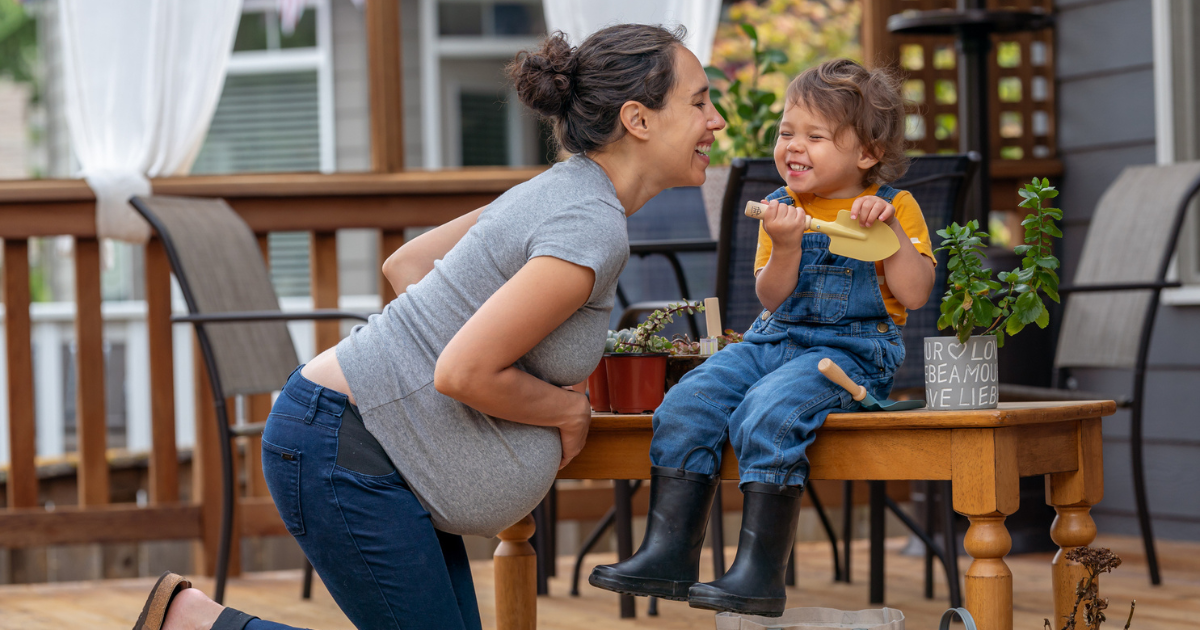
Summer weather is usually a welcome change after a long winter. But when you’re pregnant, heat waves can also add some uncomfortable challenges. Remaining mindful and proactive about staying comfortable, cool and hydrated is essential.
OB-GYN Sydney Randall, MD, offers her top three summer pregnancy tips to help you safely enjoy your time in and out of the sun.
1. Hydrate throughout the day
Getting enough fluids is especially essential in hot, sweaty weather. Keep a water bottle with you at all times so you remember to keep drinking throughout the day.
Hydration tips
- Target about 80 ounces of fluids per day.
- Focus on steady intake earlier in the day, then sipping throughout the day to avoid getting behind.
- Add flavor with citrus or cucumber.
- Try low-sugar electrolyte drinks, no-sugar vegetable juice or coconut water.
- Sugar-free sports drinks are okay in moderation.
- Make homemade popsicles to cool off and hydrate.
- Avoid energy drinks and limit caffeinated drinks.
- Eat well and snack on refreshing, high-water-content foods such as colorful fruits and vegetables.
How and why does heat affect pregnancy more?
“The biggest thing is that heat makes people more dehydrated throughout pregnancy,” says Dr. Randall. “If you become dehydrated, you’ll have more symptoms. So staying on top of those daily targets and not getting behind is crucial.”
Dehydration in pregnancy can:
- Cause dizziness, rapid heart rate and feeling faint.
- Trigger uterine irritability and contractions in the third trimester.
- Worsen swelling.
- Increase sweat and moisture under the breasts and belly, which can cause skin irritation or yeast infections.
- Affect healthy circulation. Blood volume increases during pregnancy, so adequate hydration is critical for maintaining circulation.
- Cause or worsen constipation.
- Increase muscle irritability and contractions. The uterus is a large muscle that needs hydration support.
“However, remember that dehydration-related contractions differ from true preterm labor, which requires cervical dilation and change,” adds Dr. Randall. “Most dehydration-induced contractions resolve with IV fluids and are not considered true labor.”
2. Stay cool and protect your skin
“Everyone is different when it comes to how much heat they can tolerate,” says Dr. Randall. “Listen to your body and head indoors to cool down if you begin to feel unwell, start cramping, get dizzy or feel lightheaded.”
Tips to stay cool and protected:
- Use a broad-spectrum sunscreen with SPF 30 or higher.
- Reapply sunscreen regularly.
- Wear lightweight, loose clothing.
- Choose moisture-wicking fabrics.
- Opt for hats and sunglasses for added protection. Using UPF clothing to cover up can also be helpful.
- Choose shade over direct sun exposure.
- Avoid long periods outdoors during peak heat times.
- Take regular cooling breaks in air conditioning.
- Use fans or go swimming.
- Safely exercise with low-impact activities you enjoy.
How can I tell if I’m getting too hot?
Early warning signs:
- Feeling thirsty (signals you may be dehydrated).
- Increased swelling.
- Dizziness or lightheadedness upon standing or sitting.
- Muscle cramps or uterine cramping.
- Nausea.
- Headaches.
Symptoms of heat stroke:
- Confusion.
- Fast, strong pulse.
- Hot, red skin.
- High body temperature.
- Fainting.
Symptoms of heat exhaustion:
- Cold, clammy skin.
- Excessive sweating.
- Fast but weak pulse.
- Muscle cramps.
- Weakness or fainting.
“Although true heat stroke or heat exhaustion is uncommon in pregnancy, women are more sensitive to becoming dehydrated and overheating during this time,” adds Dr. Randall. “Listen to your body and stay hydrated. If you’re concerned about your symptoms, call your doctor.”
3. Manage swelling
Some swelling is expected due to increased fluid retention during pregnancy. But the summer heat can make it trickier to manage.
Tips to prevent swelling:
- Consistently hydrate to flush out fluids and support circulation.
- Elevate your feet above heart level whenever possible.
- Wear cool compression socks when on your feet or sitting for long periods.
- Lie on your side. This improves blood return more than sitting with your feet up.
- Wear comfortable, safe shoes to reduce foot pain and swelling.
When should I be concerned about swelling?
Call your doctor if you notice:
- Swelling only on one side.
- Pain or redness in the legs.
- Swelling combined with symptoms, especially in the third trimester, such as a persistent headache unresponsive to cooling and pain relief medication.
"While the summer heat brings a few extra things to pay attention to, it's very possible still to have a very healthy pregnancy during this time,” says Dr. Randall. “Enjoy your summer, and remember to stay aware, making sure you're limiting sun exposure, keeping cool, and getting adequate fluids."
The Nebraska Medicine women’s health team is here to provide a safe and comfortable experience every step of the way. Our goal is to ensure you receive the highest quality of care throughout all stages of pregnancy, childbirth and care after delivery, including high-risk pregnancies.