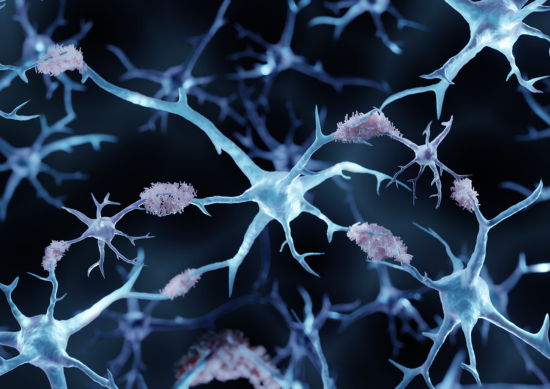
The amyloid PET-CT is a valuable tool to estimate beta-amyloid neuritic plaque density in adult patients with cognitive impairment who are being evaluated for Alzheimer’s disease and other causes of cognitive decline.
The FDA-approved amyloid scan is an adjunct imaging test to other standard diagnostic evaluations for cognitive impairment.
Reports will indicate either a positive or negative scan, and are interpreted using a binary visual read methodology. Quantitative standardized metric analysis using specialized software is applied to each scan to increase clinician confidence in either positive or negative scans.
Test result indications:
- A negative amyloid PET-CT indicates no or sparse amyloid neuritic plaques and is inconsistent with a neuropathological diagnosis of Alzheimer’s disease at the time of imaging. This result denotes a reduced likelihood that a patient’s cognitive impairment is secondary to Alzheimer’s disease. Knowing that beta amyloid plaques are not present may allow assessment for other causes of cognitive impairment and prevent unnecessary treatment.
- A positive amyloid PET-CT indicates the presence of moderate to frequent amyloid neuritic plaques. Neuropathological studies have shown this amount of amyloid neuritic plaque is present in patients with Alzheimer’s disease, but may also be present in older people with normal cognition or patients with other neurologic conditions.
Candidates for Amyloid PET-CT
- Patients displaying cognitive impairment where Alzheimer’s disease is suspected and biomarker assessment is desired.
- Patients concerned about memory loss who want to know the cause of cognitive impairment and may be open to potential anti-amyloid therapies in the future.
- Patients who have previously undergone initial testing, such as a neurological exam, cognitive assessment, lab tests and MRI scan.
Referrals for this examination are typically made after seeing a neurologist but can also be made through primary care providers.
For questions about the test, please call Nuclear Medicine at 402.552.2000. To refer a patient, please call the Radiology Contact Center at 402.559.2500. Fax referrals to 402.559.3464.