Through ongoing research, Nebraska Medicine is exploring innovative approaches to treating pancreatic cancer, including novel combinations of existing therapies and new strategies.
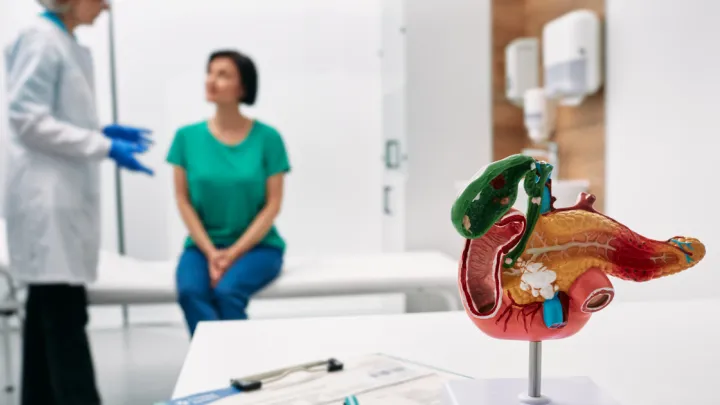
The pancreas connects to the small intestine and is located in the upper abdomen. It drains digestive enzymes into the small intestine to break down carbohydrates, proteins and fats. It also produces hormones and releases them into the blood.
Pancreatic cancer is a genetic disease caused by changes or mutations in segments of DNA called genes. Genes carry the code or the instructions which tells the cells in the body how to grow and function. Mutations in certain genes can allow cells to grow in an uncontrolled way.
At Nebraska Medicine we have an expert team that will help guide you and your family through the treatment. Below I have compiled a list of questions I recommend all my patients with pancreatic cancer ask their oncology team.
Like the disease itself, the treatment of pancreatic cancer is complex, and is strongly determined by a comprehensive evaluation of the disease at initial diagnosis.
Women need to be assertive about their own health. If symptoms persist and aren’t getting better after two weeks or so, it is worth making an appointment with your doctor to get it checked out. It’s worth the peace of mind.
You’re about to leave the Nebraska Medicine website. The other site may collect information about your visit, including your IP address. Do you want to continue?