What is premenstrual dysphoric disorder (PMDD), and how do you know if you have it?

Premenstrual dysphoric disorder, or PMDD, causes severe emotional and physical symptoms in the days or weeks before a menstrual period. Learn how PMDD differs from premenstrual syndrome (PMS), how it is diagnosed, and which treatments may help.
What is PMDD?
PMDD is a severe, cycle-related condition that affects mood, daily functioning, and relationships. Symptoms occur during the luteal phase – the time after ovulation and before a period – and improve after menstruation begins.
“You feel normal for a couple weeks, and then you just don’t feel like yourself,” says Kelsy Harris, APRN-CNM, a certified nurse-midwife. “Whether it’s physical or emotional, it feels very cyclical.”
What is the difference between PMDD and PMS?
PMS may cause irritability, cramps, bloating, or other discomfort before a period. PMDD symptoms are more intense and can interfere with your daily life during the luteal phase.
“For PMDD to be diagnosed, it needs to interrupt a social or interpersonal relationship, occupational performance, or create emotional strain,” Harris says.
What are the symptoms of PMDD?
PMDD symptoms vary, but they may include:
- Severe irritability, anger, or feeling out of control
- Anxiety or feeling on edge
- Depressed mood, hopelessness, or sudden mood changes
- Difficulty concentrating or “brain fog”
- Low energy or changes in sleep
- Breast tenderness, bloating, or headaches
- Joint or muscle pain and cramps
- Withdrawal from work, school, or social activities
A key clue is timing. Symptoms appear before the period, improve after bleeding starts, and are minimal or absent during the rest of the menstrual cycle.
How do you know if you have PMDD?
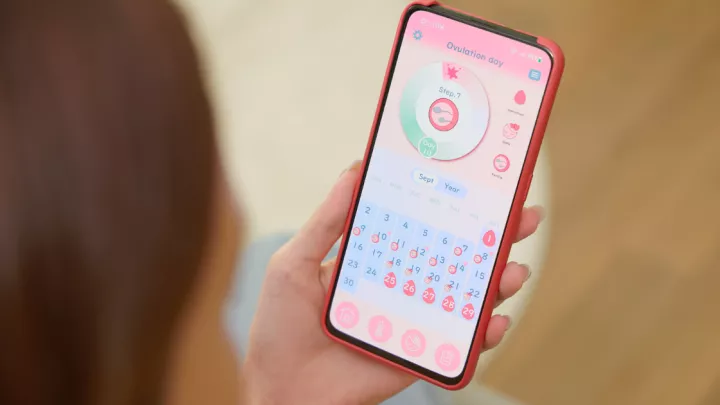
You may have PMDD if severe emotional or physical symptoms repeatedly begin after ovulation, disrupt your daily life, and ease shortly after your period starts. A symptom diary can help you and your provider see whether that pattern is present.
“Bringing in a detailed diary of your cyclical symptoms is important,” Harris says. “We’re going to have you do that anyway, and it could speed up diagnosis and intervention.”
Your provider may ask you to track symptoms every day for at least two menstrual cycles. Include the type and severity, when they begin and end, your period dates, and how they affect work, relationships, and routine activities.
How is PMDD diagnosed?
There is no blood test or imaging test for PMDD. A health care provider reviews your symptoms, their timing, and their effect on daily life. The provider may also ask you to track other conditions that can cause or worsen similar symptoms, including anxiety, depression, bipolar disorder, or thyroid problems.
“It is diagnosed by symptom report,” Harris says. “There are no tests. It’s a lot of communication and honesty from the patient to the provider.”
Who is at risk for PMDD?
PMDD can affect anyone who menstruates. A family history may increase risk. Symptoms may also become more noticeable during times of hormonal change, including the first years after menstruation begins and perimenopause.
How is PMDD treated?
Treatment is individualized and may combine medication, counseling, and lifestyle changes. Selective serotonin reuptake inhibitors, or SSRIs, are often a first-line treatment. Depending on the care plan, they may be taken only during the luteal phase.
Hormonal birth control may help some people by reducing hormonal fluctuations, but it is not appropriate for everyone.
Cognitive behavioral therapy may help patients manage symptoms and their effects on everyday life. Regular exercise and certain nutritional or complementary approaches may also be considered. Talk with a health care provider before beginning medication or supplements because benefits, side effects, and risks vary.
When should you see a doctor about PMDD?
Make an appointment if premenstrual symptoms repeatedly interfere with work, school, relationships, or your ability to care for yourself. You do not have to wait until you have tracked several cycles to ask for help. Begin tracking symptoms when you notice a pattern and bring the information to your visit.
Frequently asked questions about PMDD
Is PMDD a mental health condition?
PMDD is a recognized condition with significant mood symptoms linked to the menstrual cycle. Because its symptoms can resemble other mental health conditions, a thorough evaluation is important.
Can PMDD develop later in life?
Yes. Symptoms can begin or become more severe at different stages, including during perimenopause, when hormone levels may fluctuate more unpredictably.
Does PMDD go away when your period starts?
Symptoms usually improve after menstruation begins and remain minimal or absent until after the next ovulation. Symptoms that continue throughout the month may have another cause and should be discussed with a provider.
Can birth control help PMDD?
Hormonal birth control may help some people by suppressing ovulation and reducing hormonal shifts. The safest and most effective option depends on your symptoms, medical history, and pregnancy plans.
Can PMDD be cured?
There is no single cure for PMDD, but treatment can significantly reduce symptoms. Your care plan may need to be adjusted over time as symptoms, health needs, or reproductive goals change.