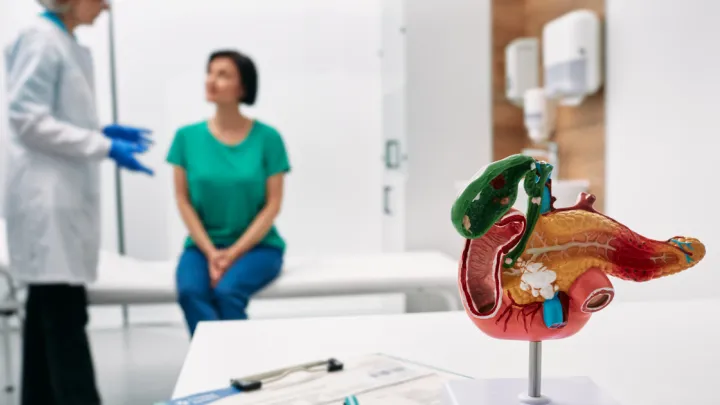
A recent study showed rates of pancreatic cancer in women under age 55 rose 2.4% between 2001 and 2018. In May, E-News correspondent Maria Menounos, 44, revealed she was diagnosed with a rare form of pancreatic cancer earlier in the year, a high-profile case that seems to reflect the study’s disturbing trend.
Mastectomy can leave your reconstructed breasts numb. For a long time, this was an unavoidable outcome of protecting against breast cancer. Most breast reconstruction options restore breast and nipple appearance but not sensation. Until now. A new technique gives you the chance to not only look – but also feel – like yourself again. It’s called nipple nerve reconstruction.
Maria Alvarran travels from Sioux City, Nebraska, every three months to visit the Fred & Pamela Buffett Cancer Center in Omaha, Nebraska. Alvarran is helping research be the best it can be. How? By bringing diversity to potential cancer therapies. Alvarran doesn’t speak English.
Through ongoing research, Nebraska Medicine is exploring innovative approaches to treating pancreatic cancer, including novel combinations of existing therapies and new strategies.
In recent months, multiple cancer drugs have been in short supply in the United States. While the Food and Drug Administration and the American Society of Clinical Oncology have been working to resolve the shortages, patients with cancer are understandably concerned about getting the cancer treatment drugs they need and the amount required when the time comes.
Every year, nearly 80,000 new cases of melanoma are diagnosed, causing over 10,000 deaths annually. The incidence of melanoma is increasing by 2.6% every year and faster than almost every other malignancy.
Navigating breast cancer recovery can be lonely. To counter this, a nonprofit organization, Casting for Recovery, connects women who have breast cancer or a history of breast cancer through healing fly-fishing retreats.
Vegetarian, vegan and plant-based diets are often promoted as being good for your health. But can any of these diets prevent or reduce your risk of cancer?
You’re about to leave the Nebraska Medicine website. The other site may collect information about your visit, including your IP address. Do you want to continue?