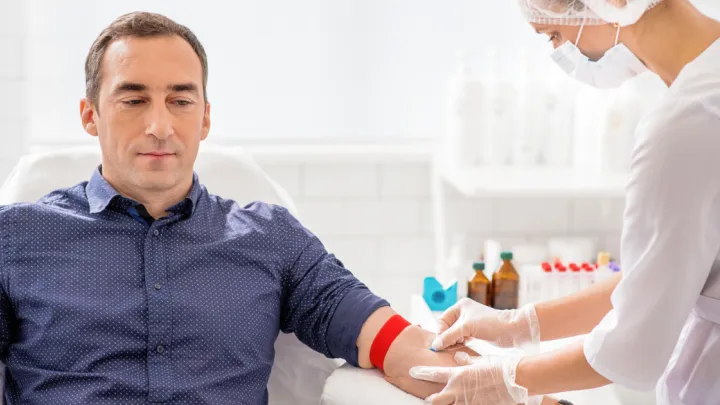
While a colonoscopy remains the standard for detection and prevention of colorectal cancer, there are alternatives. The ACS has recently released guidelines regarding a new blood test called Shield for people at average risk.
When Kristen Vlasak chose to participate in the Genetic Insights Project, a research study by Nebraska Medicine, she didn’t think much of it. What Vlasak didn’t realize at the time was that her result would trigger a series of tests that uncovered vital information for her entire family.
The Nebraska Medicine | Fred & Pamela Buffett Cancer Center reached a major milestone Saturday as a state-of-the-art proton beam therapy system arrived at Nebraska Medical Center.
Cruciferous vegetables like cauliflower are plentiful in vitamins, minerals, fiber and antioxidants. Research shows that eating about five to seven servings of cruciferous vegetables each week may help lower the risk of several cancers.
It has often been said that there is no health without mental health. Our behavioral health specialists work side by side with our medical teams in primary care and specialty clinics like oncology and transplant services.
Finding out you have a tumor or disease near the base of your skull can be frightening. Nebraska Medicine has a team that was built for exactly these types of cases. The Skull Base Surgery Program is the only one in the region focused entirely on this part of the body.
Brightly colored candies, cereals and sports drinks are hard to miss. On social media, you may have seen claims that food dyes can cause cancer. But is that true?
The best way to treat lymphedema is to prevent lymphedema. A newer reconstructive microsurgery called immediate lymphatic reconstruction helps repair damaged lymphatic vessels and greatly reduces the risk of developing lymphedema.
If you’re a cancer survivor, you’ve likely heard mixed messages about the relationship between dairy and cancer. Some sources say it’s beneficial, while others suggest it may increase cancer risk. So, what does the research actually say?
You’re about to leave the Nebraska Medicine website. The other site may collect information about your visit, including your IP address. Do you want to continue?