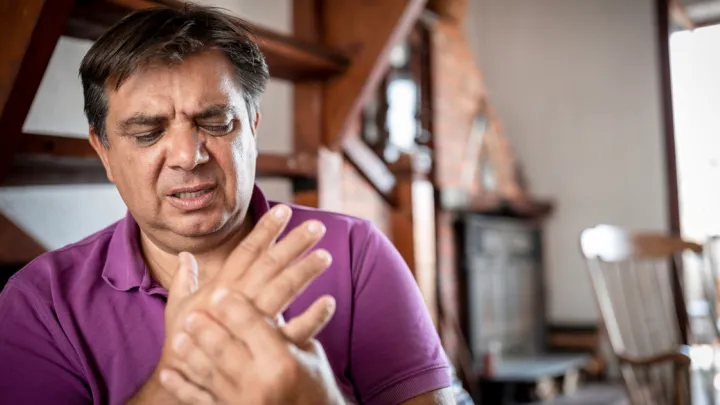
A faster way to treat painful thumb arthritis
Thumb arthritis can make everyday tasks painful, but a newer surgical technique is helping patients recover faster and get back to using their hand sooner.
What is thumb arthritis?
Thumb arthritis affects the joint at the base of the thumb. It happens when the cartilage that cushions the joint wears down over time. Without enough cartilage, the bones rub together and can cause pain.
Thumb arthritis is especially common in women over age 50, but it can affect anyone as they get older. As it advances, daily tasks like opening a jar, turning a key, or scrolling on a phone can become difficult.
Who may benefit from treatment?
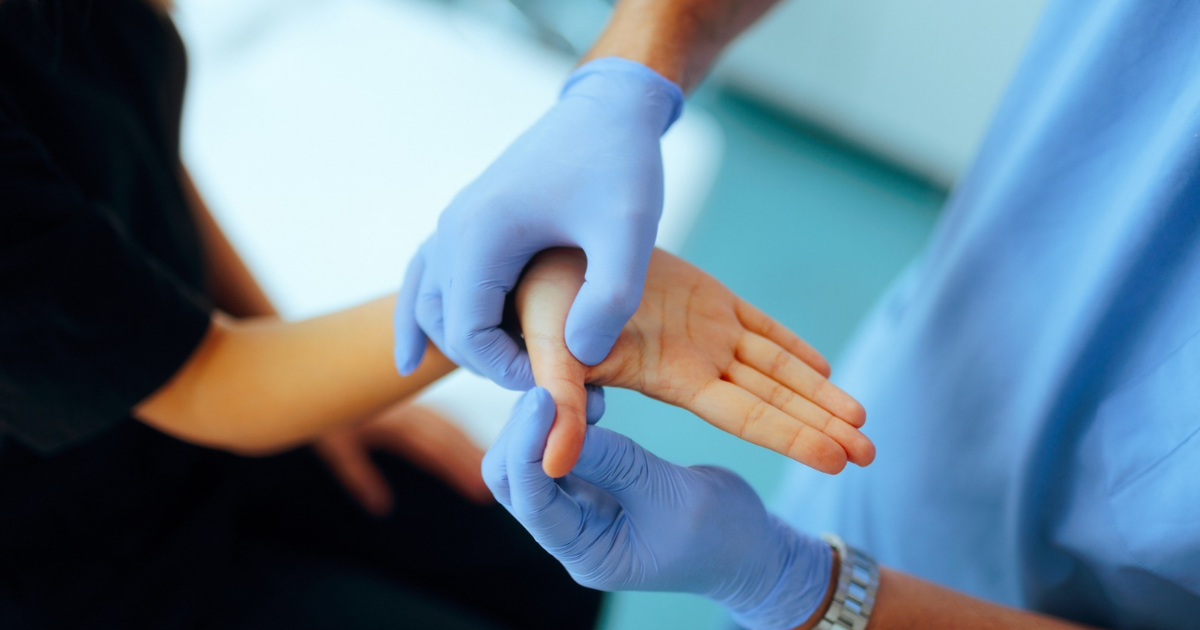
You don’t have to wait until pain is severe to seek treatment. A hand and wrist specialist can determine what is causing your pain and review treatment options.
Many people can manage thumb arthritis without surgery. Your doctor may recommend conservative treatments like:
- Splinting
- Anti-inflammatory medications
- Activity modification
- Steroid injections
- Hand therapy
If you continue to have thumb pain that interferes with daily activities, your doctor may discuss surgery.
How is this newer surgery different?
Traditional thumb arthritis surgery often requires several weeks in a cast or splint before you can return to regular movement. Recovery can take about three months.
Orthopaedic surgeon Daniel Firestone, MD, has pioneered a newer approach called thumb carpometacarpal joint (CMC) arthroplasty with ULTRABRACE®.
During surgery, the arthritic bone at the base of the thumb is removed to take away the source of pain. Then, a strong, permanent suture tape is placed inside the hand and anchored to the thumb and nearby hand bone. This tape acts like a small sling or hammock, helping hold the thumb in a stable position while still allowing movement.
This added support allows patients to start moving their thumb sooner – about a week and a half versus six weeks for traditional surgery.
What is recovery like?
The newer thumb arthritis surgery takes about 45 minutes and is performed as an outpatient procedure, meaning patients go home the same day.
Patients return for a follow-up appointment a week and a half later. At that visit, the surgical dressing and splint are removed, and therapy can begin.
Patients meet with a hand therapist twice and continue exercises at home. Many can return to light daily activities within about a week and a half, with strength and motion continuing to improve over the next several months.
What results can patients expect?
The main goal of surgery is to relieve pain. Many patients also gain better thumb movement and grip strength.
After recovery, patients may be able to do everyday tasks more comfortably, such as opening a water bottle or removing a jar lid. If arthritis was severe, the thumb may also look more natural after surgery.
When should you see a specialist?
If your thumb pain isn't improving or is affecting your daily life, it is worth getting checked. Seeing a specialist does not mean you will need surgery. There are many options for treating thumb arthritis, and a hand and wrist specialist can help you decide which is right for you.
FAQ
What does thumb arthritis feel like?
Thumb arthritis can cause pain at the base of the thumb, especially with pinching, gripping, or twisting motions. It may also cause stiffness, swelling, or weakness.
Can thumb arthritis happen in both hands?
Yes. Many people have arthritis in both thumbs, though one side may hurt more than the other.
Can phone use make thumb arthritis worse?
Phone use does not necessarily cause thumb arthritis, but scrolling or typing with the thumb can flare symptoms.
Do I need thumb arthritis surgery?
Many patients start with nonsurgical care, such as bracing, anti-inflammatory medicine, activity changes, injections, or hand therapy. Surgery may be considered when pain continues to affect daily life.
How is thumb arthritis diagnosed?
Diagnosis usually starts with a physical exam and a discussion of your symptoms. X-rays can help confirm arthritis and show how much the joint has changed.
Can a brace help thumb arthritis?
A brace can be very effective, especially for mild to moderate arthritis. It supports the thumb joint, reduces painful movement, and helps the thumb rest during activities.
How long does recovery take?
Recovery depends on the person and the treatment used. With the newer surgical technique, patients begin moving the thumb about a week and a half after surgery and continue to build strength over the following months.
If you have thumb pain, our orthopaedic specialists can help. Call 800.922.0000 or schedule an appointment online.