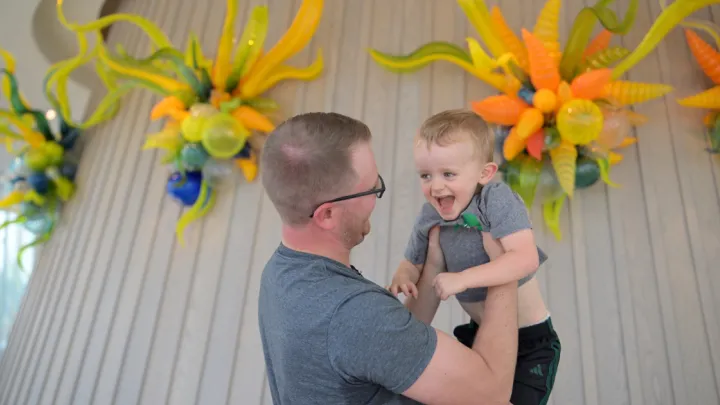
When Julie Kane’s infant son, Connor Okruhlica, needed a liver transplant in 1997, her family traveled from Kentucky to Omaha for the life-saving procedure. The family faced a difficult journey, but the kindness and generosity they experienced along the way left a lasting impact.
While there are myths and misconceptions surrounding living donations, there are even more good reasons to become an organ donor and make a life-changing difference in someone’s life.
Two surgeries took place on June 21, 2001, saving one woman's life, profoundly impacting another's and creating an enduring connection between the two.
Becky Felker had never considered becoming a living donor until that life-changing day several years ago. One of her co-workers, Morgan Coady, had genetic kidney disease. Coady walked into the office and jokingly said, “Anyone want to give me their kidney?"
On Sept. 22, President Biden signed into law a bipartisan bill, the U.S. Organ Procurement and Transplantation Network Act, to overhaul the country’s organ transplant system.
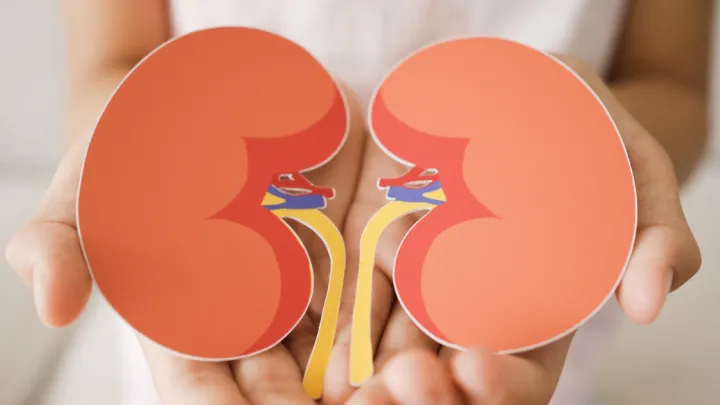
Becoming a living organ donor is selfless act that can help a recipient get an organ transplant faster. Most living donors donate one of their kidneys or a part of their liver. However, despite its life-changing potential, there are several myths surrounding living organ donation. Here, we debunk some of these misconceptions.
You’re about to leave the Nebraska Medicine website. The other site may collect information about your visit, including your IP address. Do you want to continue?