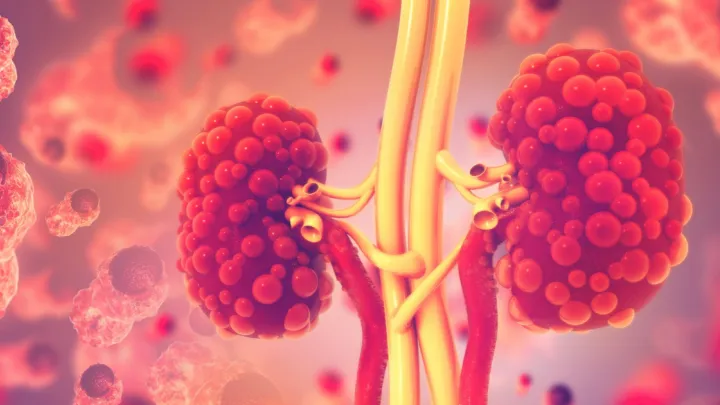
Polycystic kidney disease (PKD) can slowly damage the kidneys over many years, sometimes before a person realizes how sick they have become. For the Franson family, kidney disease is part of their family history.
Colin Gholson lives in Rapid City, South Dakota, where he receives care with Monument Health. When a transplant became the only option, his care team referred him to Nebraska Medicine – and the process moved faster than his family expected.
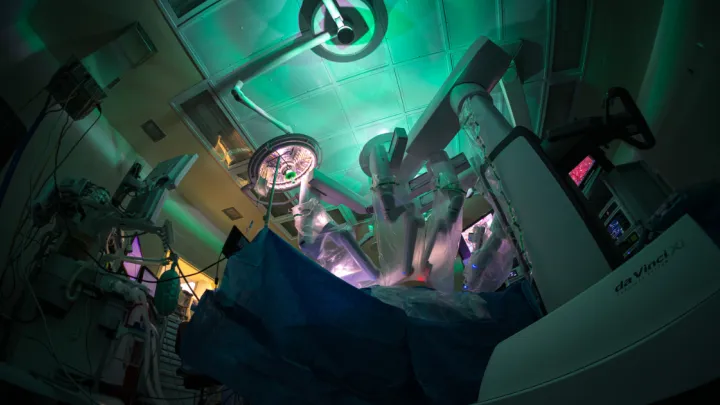
Nearly every Nebraska Medicine surgical specialty now offers robotic-assisted surgery, giving patients more treatment options that use smaller incisions and advanced technology.
Serious complications can result from untreated diabetic kidney disease. Kidney disease is not reversible and can eventually lead to life-threatening kidney failure and the need for a kidney transplant.
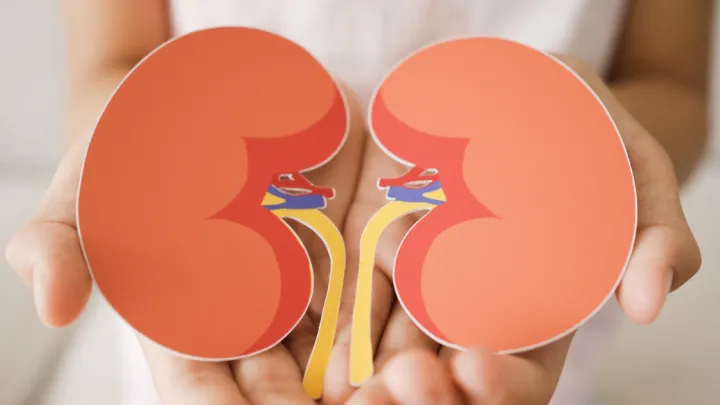
Becky Felker had never considered becoming a living donor until that life-changing day several years ago. One of her co-workers, Morgan Coady, had genetic kidney disease. Coady walked into the office and jokingly said, “Anyone want to give me their kidney?"
"I had a lot of faith. Never did I ask ‘why me," she says. "I always said, ‘Lord, just please give me the strength to keep fighting.'" Two transplants later, she's thankful she never gave up.
Transplant coordinator Regina Rau, transplant manager Vicki Hunter and Kara Cordell from Live On Nebraska take part in this Q&A session to let others know more about organ donation and what sets Nebraska Medicine apart.
You’re about to leave the Nebraska Medicine website. The other site may collect information about your visit, including your IP address. Do you want to continue?