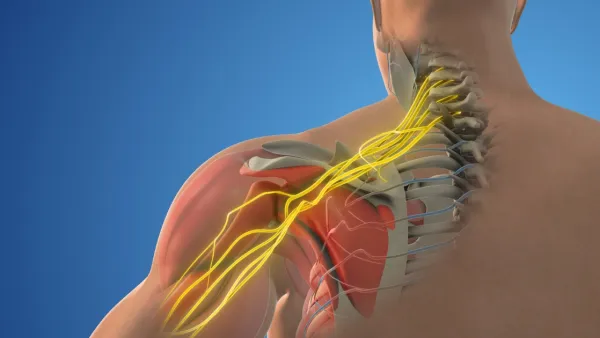
Brachial plexus nerves originate from the spinal cord in the neck. This nerve bundle carries sensory and motor signals to the upper limbs. Brachial plexus injuries can happen at any age, including at childbirth.
Respiratory tract infections affect the nose, throat, sinuses, or lungs. Carrie Hoarty, MD, an internal medicine physician, explains the common types and how providers diagnose and treat them.
If you’ve noticed pain, numbness or weakness in your legs when you walk or stand – you may be dealing with a condition called lumbar spinal stenosis (LSS). The MILD procedure is a safe, effective outpatient treatment that relieves pressure on nerves in the lower spine.
A transplant dietitian works with living donors and transplant recipients to optimize nutrition throughout the transplant journey. A critical part of the multidisciplinary team, they see patients multiple times.
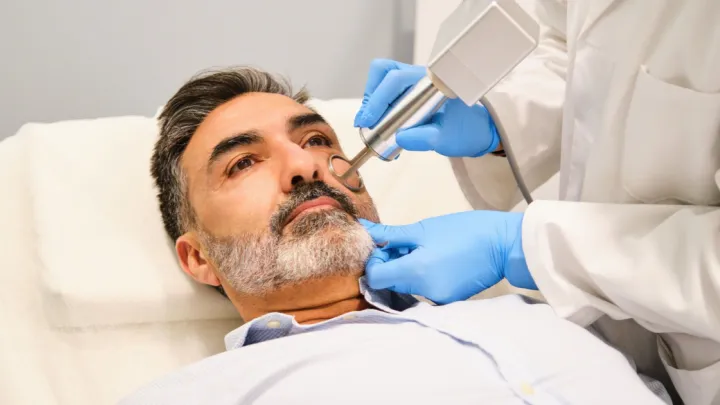
The Nebraska Medicine dermatology program offers three main options for laser resurfacing. Ronald Sulewski, MD, explains what you should know about each one.
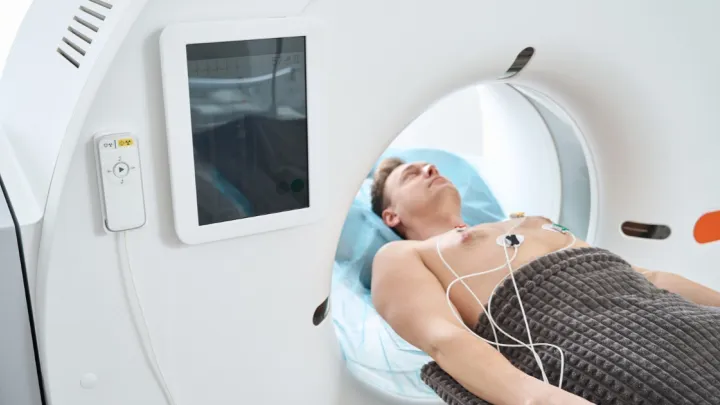
Cardiac imaging has become an important tool for evaluating coronary artery disease. Technologies such as coronary CT angiography, AI-assisted plaque analysis, and CT-derived fractional flow reserve (CT-FFR) show doctors a detailed look at plaque inside the heart’s arteries.
Thumb arthritis can make everyday tasks painful, but a newer surgical technique is helping patients recover faster and get back to using their hand sooner.
Premenstrual dysphoric disorder, or PMDD, causes severe emotional and physical symptoms in the days or weeks before a menstrual period. Learn how PMDD differs from premenstrual syndrome (PMS).
A new implantable device placed near the ankle may help reduce urge urinary incontinence by sending scheduled electrical signals to nerves involved in bladder control.
You’ve been tired for months. Maybe you’ve had carpal tunnel surgery, neuropathy, some back pain, or shortness of breath. But what if all of those symptoms had a single cause?
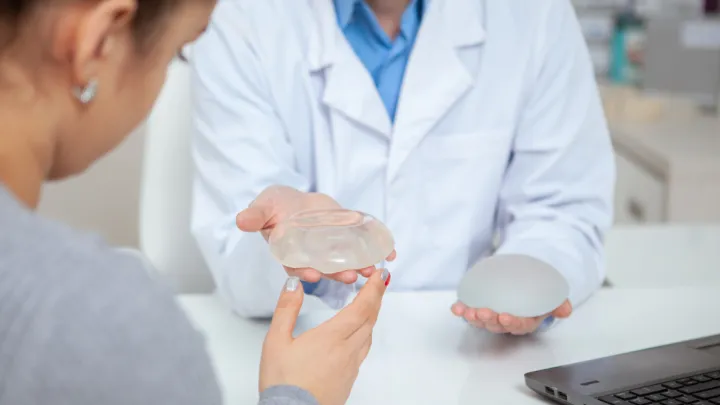
Saline and silicone breast implants have the same basic purpose, but they differ in what fills them, how they feel, and how doctors check them over time. Learning the pros and cons of each can help you choose the option that best fits your body, goals, and comfort level.
You’re about to leave the Nebraska Medicine website. The other site may collect information about your visit, including your IP address. Do you want to continue?