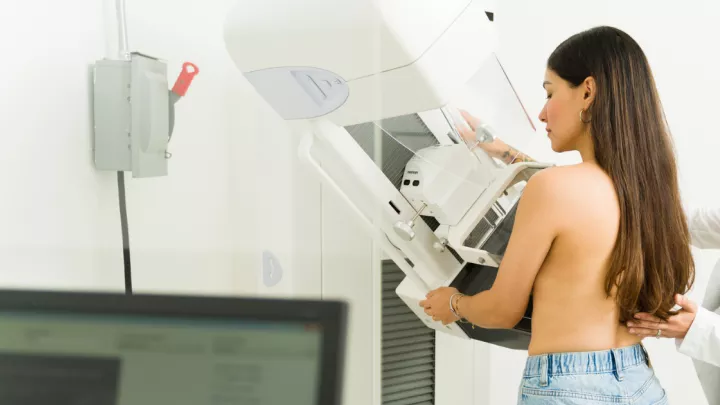
Keeping up with preventive health care leads to better overall health and well-being. One of the most important preventive visits for women is a well-woman exam. A well-woman exam is an opportunity to check in on all aspects of one’s health including assessing physical and emotional well-being, ensuring all screenings are up to date, and checking in on reproductive health, including any concerns.
Whether you’ve been on birth control for a short while or almost your whole life, it’s a big decision when and if you decide to stop taking it. Taking that pill at the same time every day has become like second nature. No matter which contraceptive method you’ve chosen, it’s important to understand how your body may react.
When it comes to personal lubricants, there isn’t a single “best choice.” However, Uberlube, Replens and coconut oil are often recommended by gynecologists.
The birth control pill has long been the birth control of choice for many women. While the birth control pill is 99% effective when used consistently, its effectiveness significantly drops if you veer from your daily dose.
Many people associate menopause with the onset of symptoms like hot flashes and night sweats. However, these symptoms are actually strongest in the years before menopause officially begins.
Urinary tract infections in women are extremely common. Not only is the urethra short; the close proximity to the vagina and anus (both of which aren’t meant to be sterile) makes it prone to infection. And because urinary tract infections occur so easily, questions about them do too. Here is some clarification about them to help dispel myths.
You’re about to leave the Nebraska Medicine website. The other site may collect information about your visit, including your IP address. Do you want to continue?