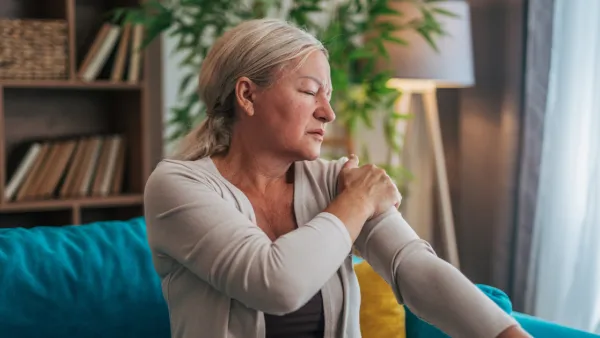
A question currently trending online is: Can breast cancer cause arm pain? If you’ve been experiencing arm pain and have been asking this yourself, the short answer is: It’s extremely unlikely.
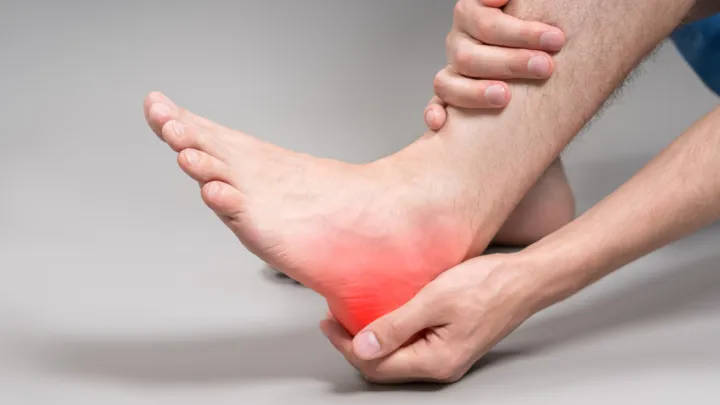
Question: I have had pain in the heel of my foot for about a year. Should I start with a general practitioner or seek out a specialist? Answered by Alexander Sawatzke, MD, orthopaedic surgeon.
Join our specialists as they discuss options for joint replacement, what to expect and how advances in technology are helping patients get back to the activities they love.
Question: I work from home, so I only wear shoes when I go out. Is this bad for my feet? Should I be wearing shoes inside? Answered by Alexander Sawatzke, MD, orthopaedic surgeon.
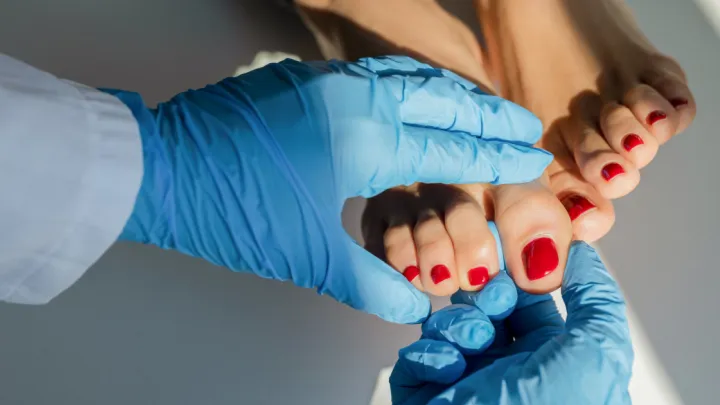
Question: I’ve been having aches in my right big toe for a couple of weeks, and I’m wondering if it’s time to see a doctor. What could be causing this? Answered by Alexander Sawatzke, MD, orthopaedic surgeon.
Blood clots can be dangerous under certain circumstances. Vascular surgeon Mrinalini Patil, MD, explains the most common vein blockages, their symptoms, risks and when to take action.
Hip impingement, or femoroacetabular impingement syndrome, happens when the bones of the hip joint are shaped in a way that makes them not fit together perfectly.
Question: Is it safe for older adults to wear compression socks if there’s no medical reason to do so? Could wearing compression socks be harmful? Answer from Nebraska Medicine vascular specialists Jillian Negri, APRN-NP and Jonathan Thompson, MD.
Living with chronic pain can greatly impact daily life. Chronic pain is pain that has been present for over six months and persists beyond the expected healing time for an injury or surgery.
Learn about common soccer injuries and prevention from Nebraska Medicine physical therapist Brian O'Reilly, DPT and Union Omaha head athletic trainer Bob Hammons, LAT, ATC.
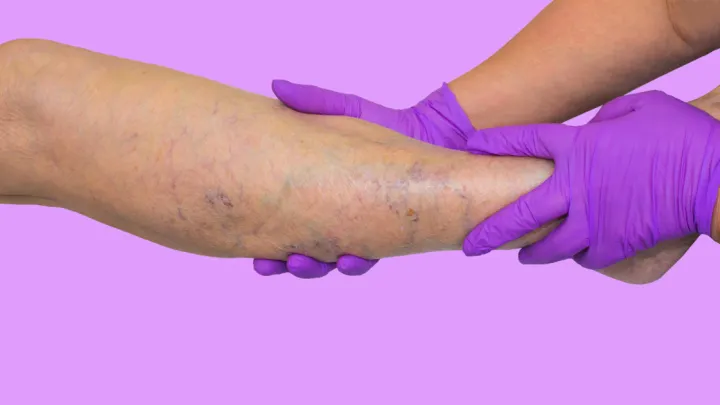
If your legs ache and swell by the end of the day, you might have chronic venous insufficiency (CVI). Understanding this common condition is the first step toward finding relief.
You’re about to leave the Nebraska Medicine website. The other site may collect information about your visit, including your IP address. Do you want to continue?