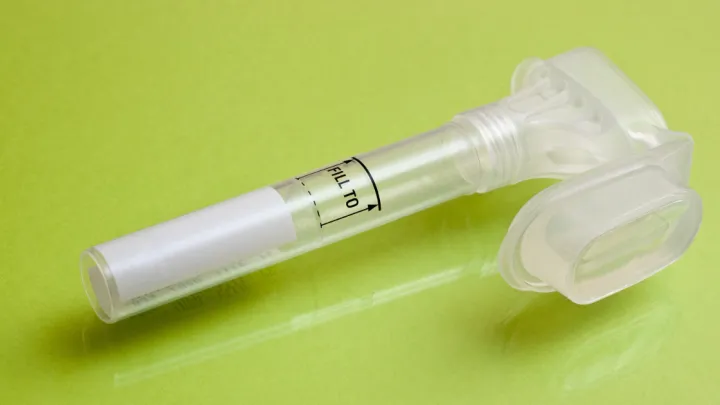
According to the Centers for Disease Control and Prevention, about 13 million Americans become infected with human papillomavirus, or HPV, each year. The CDC also estimates that every sexually active adult will contract HPV at some point in their lives.
At 21 years old, Emily Koesters defies medical expectations. Born with SIOD, a rare genetic condition with a typical life expectancy of nine years, Emily recently achieved another milestone: transitioning from pediatric to adult medical care.
Abstaining from alcohol during the first month of the year has become a popular trend known as Dry January. It offers numerous health benefits and can serve as a starting point for developing a healthier relationship with alcohol.
The beginning of a new year is a great opportunity to make your health a top priority. We compiled a list of healthy New Year’s resolutions from experts across Nebraska Medicine.
A balanced diet usually gives you the nutrients you need, but some cases may require supplements or vitamins. Keep in mind that different people have different needs.
The popularity of nonalcoholic beer and drinks has exploded. While these beverages can be a good way to reduce your alcohol intake, their efficacy, especially in the lives of those with alcohol use disorder, is complicated.
Foodborne illnesses can often go unnoticed until it’s too late. One of the most concerning is listeria, a bacterium that can lead to severe health complications.
Question: I wake up every night at the same time and have to pee. Is this normal? Answered by certified family medicine nurse practitioner Nancy Childe, APRN-NP.
You’re about to leave the Nebraska Medicine website. The other site may collect information about your visit, including your IP address. Do you want to continue?