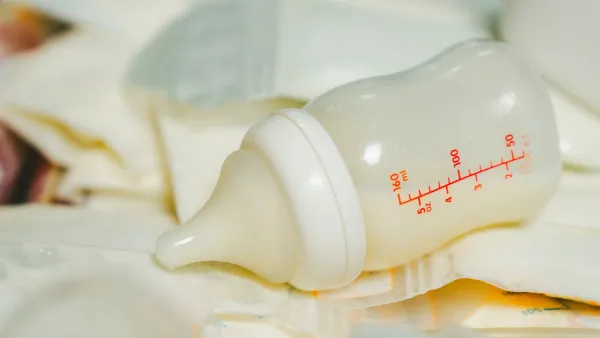
Some expectant parents choose to collect colostrum before giving birth. But is prenatal colostrum collection necessary – and is it safe? Heather Ramsey, DNP, APRN-CNM, FACNM, explains what you need to know.
An increasing number of states are legalizing marijuana for recreational and medical use, but emerging evidence suggests it may have significant effects on cardiovascular health.
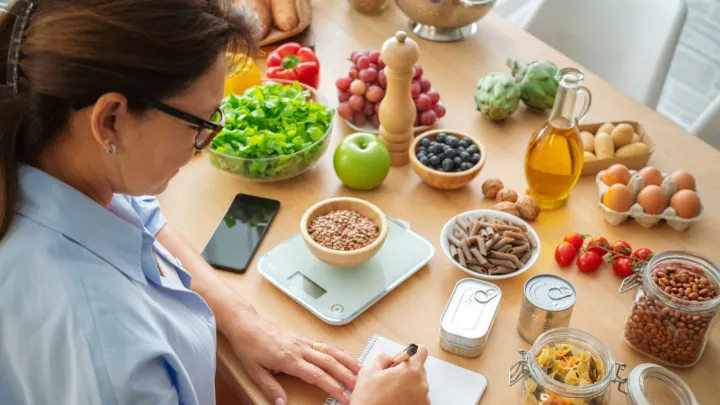
An RDN is an important member of your cancer care team, just like your doctor or nurse. They are experts in nutrition and can help you make food choices that support your health before, during, and after cancer treatment.
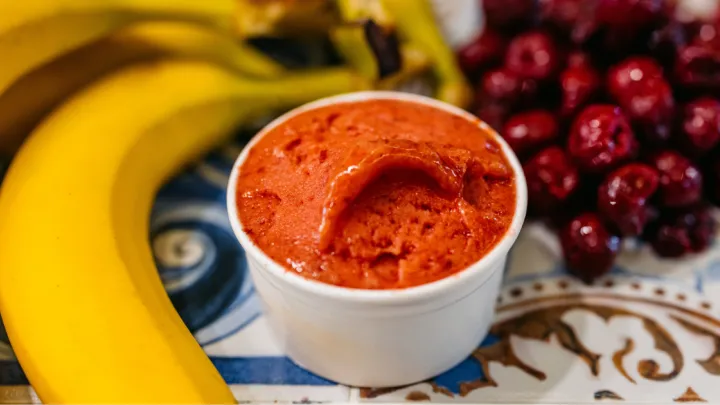
Easy no-churn vegan cherry nice cream made from only three ingredients. Gobble it up right after pureeing the fruit or save it for later for scoop-able banana ice cream.
If you’ve ever used a smartwatch, fitness tracker or workout app, you’ve likely seen references to “heart rate zones.” But what exactly do heart rate zones mean, and do you really need to pay attention to them during workouts?
You’re about to leave the Nebraska Medicine website. The other site may collect information about your visit, including your IP address. Do you want to continue?